


Recent Blog
Stay updated with our latest blog posts.

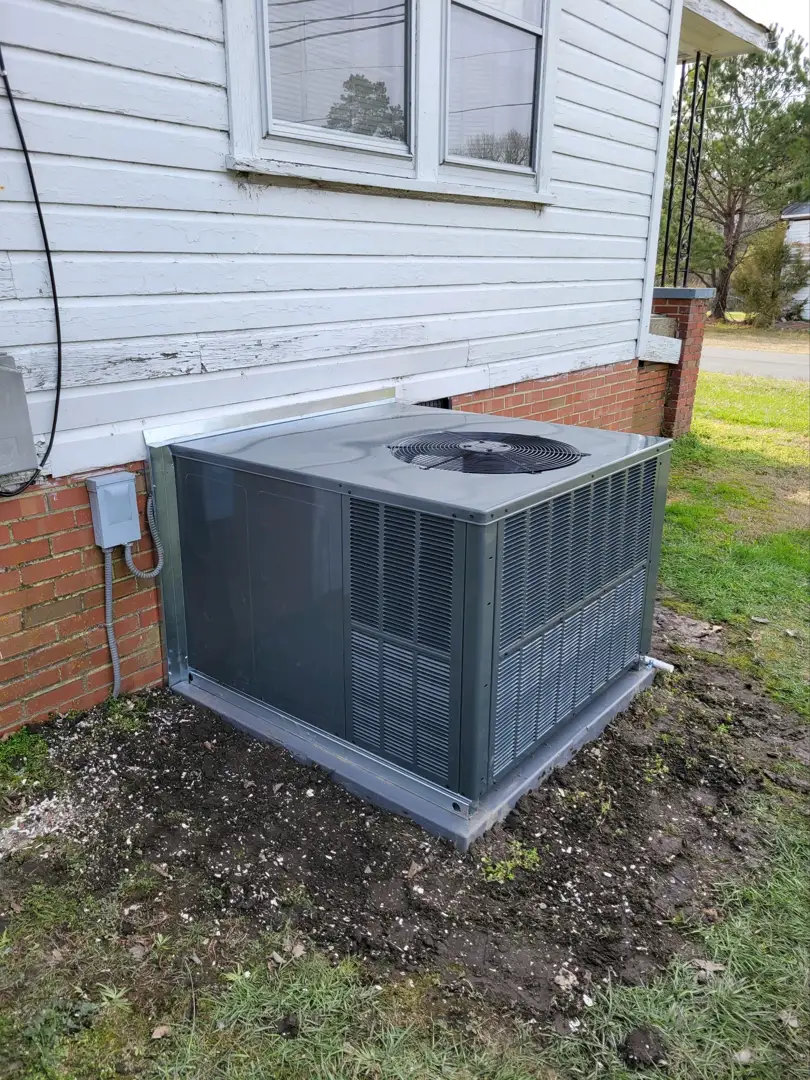
How heat and humidity stress your AC in the Southeast is something most Triangle-area homeowners feel every summer — but few fully understand. When outdoor temperatures climb into the 90s and relative humidity pushes past 80%, your air conditioner isn't just cooling your home. It's fighting on two fronts at once: lowering the air temperature and wringing moisture out of the air. That double workload can push even a well-maintained system to its limits, driving up energy bills, shortening equipment lifespan, and leaving your home feeling sticky no matter how low you set the thermostat.
Here's a quick breakdown of how heat and humidity stress AC systems in the Southeast:
In the Triangle area — covering cities like Durham, Chapel Hill, Cary, and Wake Forest — summer outdoor humidity regularly climbs above 80% from May through September. That's not just uncomfortable. It's a real mechanical burden on your HVAC system, and understanding why is the first step toward protecting your home and your equipment.
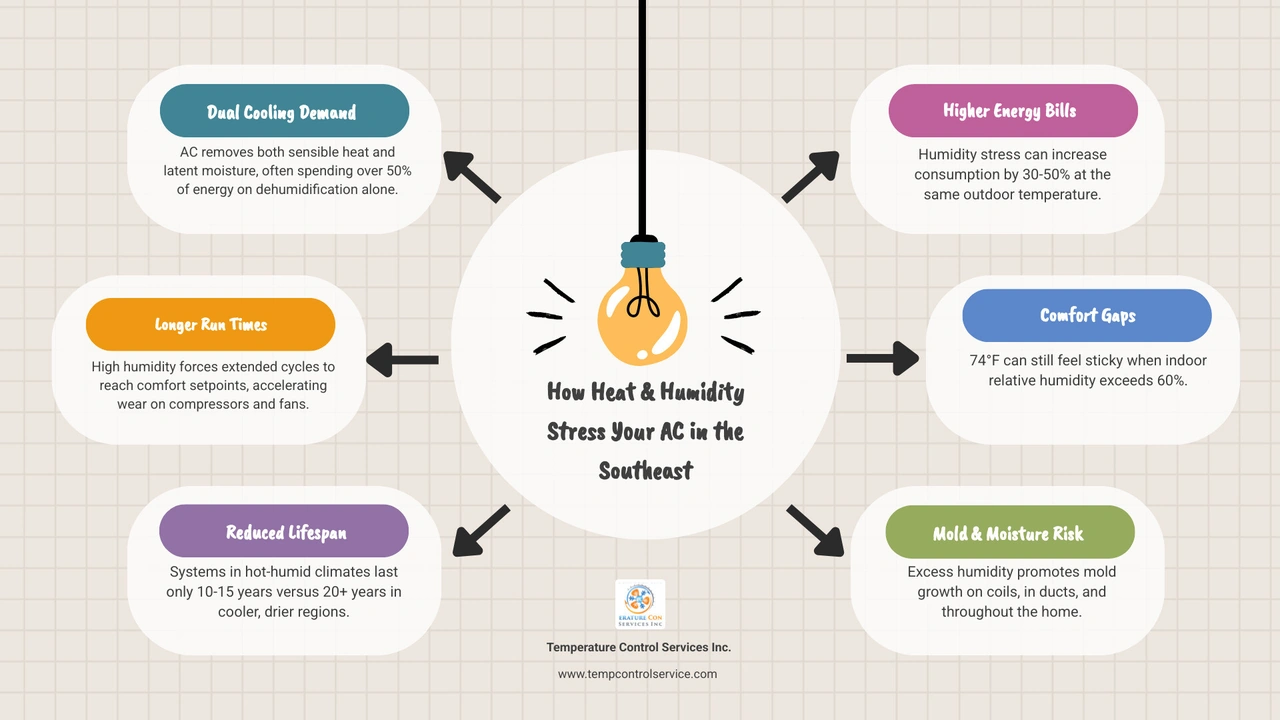
To understand why your air conditioner struggles so much in June 2026, we have to look at the physics of cooling. Air conditioning is not just about making air cold; it is about managing energy.
When your system runs, it deals with two entirely different types of heat: sensible heat and latent heat. In dry climates, an air conditioner has an easy job because it only has to deal with sensible heat. But here in the Triangle, the massive latent heat load completely changes the game. This dual workload is the primary reason How Humidity Affects Your AC Performance is such a critical topic for North Carolina homeowners trying to keep their utility bills under control.
Sensible heat is the heat you can actually measure with a standard thermometer. When the outdoor temperature rises from 80°F to 95°F, that is an increase in sensible heat.
Latent heat, on the other hand, is the hidden energy stored in airborne water vapor. It does not register on a standard thermometer, but it has a massive impact on how hot the air feels to your body.
Our bodies rely on evaporative cooling—better known as sweating—to regulate temperature. When the relative humidity is high, the air is already saturated with water vapor, which slows down or completely stops sweat from evaporating off your skin. Because your body cannot shed its own heat, a home at 75°F with 70% relative humidity will feel like a sticky, warm cave, whereas the same 75°F at 45% humidity feels perfectly crisp and comfortable. Understanding this relationship is a key part of how the How North Carolina Climate Affects Your HVAC System dictates your daily comfort.
Because humid air holds so much more thermal energy than dry air, your air conditioner has to work twice as hard to lower the indoor temperature. In fact, globally, about 52% of the greenhouse gases and energy consumption associated with air conditioning are attributed strictly to the energy required for dehumidification.
When your indoor air is thick with moisture, your HVAC system cannot effectively lower the sensible temperature of your home until it has first condensed and removed a significant portion of that moisture. In high-humidity environments, an HVAC system can spend more than half of its cooling capacity simply drying the air. This constant battle increases energy consumption dramatically; high humidity can cause air conditioning systems to use 30%–50% more energy than they would at a comfortable, dry 85°F. This is why energy-efficient heat pumps have become so popular across our region. You can read more about why this technology is so well-suited for our climate in our guide on Why Heat Pumps Are Popular in the Southeast.
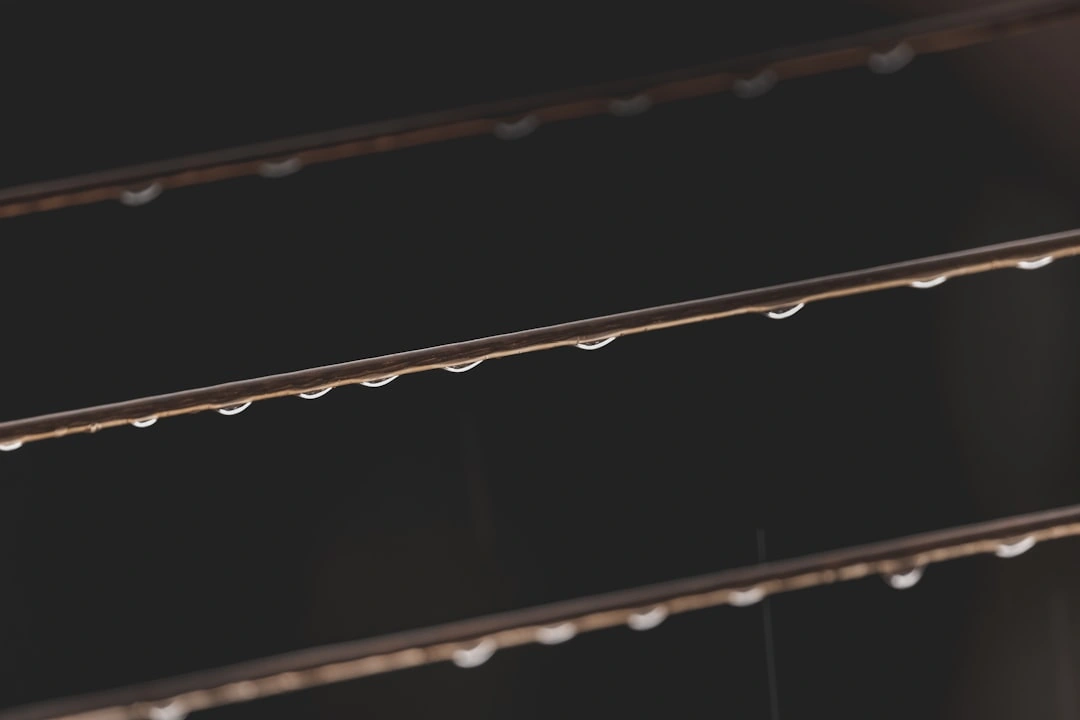
Your air conditioner does not actually "create" cold; it removes heat and moisture. The magic happens at the indoor evaporator coil. As warm, humid air from your home is pulled across the freezing-cold evaporator coil by the blower fan, the air temperature drops below its dew point.
Just like water droplets forming on the outside of a cold glass of sweet tea on a hot July afternoon, the moisture in your air condenses onto the cold metal fins of the evaporator coil. This liquid water then drips down into a condensate drain pan and flows out of your home through a condensate drain line.
During a typical hot, humid North Carolina summer day, your air conditioner can remove several gallons of water from your home’s air. But what happens when this delicate process is impaired?
If you pay close attention, your system will tell you when it is losing the battle against high humidity. Watch out for these common warning signs in your home:
Operating an air conditioner in the humid Southeast is a marathon, not a sprint. The sheer volume of moisture that your system must process places a continuous mechanical strain on its most expensive components.
The compressor—the heart of your AC system—has to run longer, hotter, and under higher refrigerant pressures to reject both the sensible and latent heat it absorbs from your home. This constant workload leads to motor fatigue and accelerated wear and tear.
Because of this intense environmental strain, HVAC systems in North Carolina typically last only 10 to 15 years. In contrast, the exact same systems operating in cooler, drier climates can easily last 20 years or more. This shortened lifespan is a direct consequence of the "humidity tax" we pay for living in such a beautiful, lush region.
Fortunately, there are ways to mitigate these costs. Homeowners looking to protect their wallets can check out our Summer Energy Saving Tips for North Carolina Homeowners to keep operating costs manageable.
To visualize how sustained high-humidity operations accelerate wear on your system compared to standard operating conditions, review the comparison table below:
| AC Component / Metric | Standard Operating Conditions (Moderate Humidity) | High-Humidity Operating Conditions (Southeast Summer) |
|---|---|---|
| Average Equipment Lifespan | 15 to 20+ Years | 10 to 15 Years |
| Compressor Workload | Moderate cycle times; normal operating pressures | Extended run times; elevated pressures and heat |
| Condensate Drain Pan | Minimal water volume; low clog risk | Gallons of water daily; high risk of algae and clogs |
| Evaporator Coil Status | Dry to slightly damp | Constantly saturated; high risk of mold/dust buildup |
| Energy Consumption | Standard baseline utility costs | 30% to 50% higher energy usage |
| Indoor Air Comfort | Easily maintains target temperature and humidity | Struggles to maintain comfort without over-cooling |
While we are located inland in the Triangle area, our region still experiences severe weather patterns, including tropical depressions, heavy summer storms, and high winds that carry dust, pollen, and organic debris.
Sustained high humidity combined with heavy rain and wind can accelerate galvanic corrosion on the outdoor condenser unit. When moisture sits on the delicate aluminum fins and copper tubing of your outdoor coil, it can lead to microscopic pitting and eventual refrigerant leaks.
Furthermore, summer storms regularly blow leaves, pine needles, and grass clippings into the outdoor unit, blocking airflow and forcing the compressor to run even hotter.
You do not have to sit by and let the summer heat destroy your cooling system. By taking a proactive approach to maintenance, you can dramatically reduce the stress on your HVAC unit, lower your energy bills, and extend its operational lifespan.
Here are the most effective steps you can take:
To ensure your system is fully prepared for the upcoming peak season, we highly recommend reading our guide on Getting Your AC Ready for North Carolina Summer.
Because every community has its own unique microclimates and environmental factors, we have put together tailored guides to help you find the best local care for your system:
Sometimes, basic maintenance isn't enough to overcome the sheer volume of moisture in our local climate. If your home still feels clammy, it may be time to consider advanced HVAC technologies designed specifically to conquer high-humidity environments.
When it comes to air conditioning in the Southeast, bigger is definitely not better. Many homeowners assume that a larger AC unit will cool their home faster and more efficiently. In reality, an oversized system will quickly blast cold air into your home, satisfy the thermostat, and shut off in a matter of minutes. This is called short-cycling.
Because the system only runs for short bursts, it never keeps the evaporator coil cold enough for long enough to condense moisture out of the air. You end up with a home that is cold but incredibly sticky and damp—the perfect recipe for mold growth. A properly sized system, calculated using a professional manual J load calculation, runs longer, gentler cycles that thoroughly dehumidify your living space.
If you want the ultimate in indoor comfort, there are two primary upgrades to consider:
If you are curious whether these advanced systems are right for your home, take a look at our analysis on whether Are Heat Pumps Ideal for the Triangle Area Climate and explore the overall Heat Pump Advantages Over Traditional HVAC.
If your system is constantly struggling, you might be facing the classic dilemma: repair or replace?
In the HVAC industry, we often use the 5,000 Rule to help homeowners make this decision. Multiply the age of your system by the cost of the repair. If the result is over $5,000, it is generally smarter to invest that money into a modern, highly efficient replacement.
Newer systems compliant with SEER2 standards are specifically tested and rated to perform under realistic, high-heat, and high-humidity conditions, ensuring you get the maximum comfort for every dollar spent on electricity.
The EPA recommends keeping your indoor relative humidity between 30% and 50% to prevent mold growth and maintain maximum comfort. You can easily monitor this using an inexpensive device called a hygrometer, which is widely available online and at local home improvement stores. If your home's relative humidity is consistently running above 55% or 60%, your AC system is struggling and needs professional attention.
This is usually caused by a high latent load that your system cannot keep up with. The most common culprits include:
No, you should never turn your AC completely off during a hot North Carolina summer day. When you turn the system off, humidity quickly builds up inside your home, soaking into your drywall, carpets, furniture, and wood floors. When you return home and turn the system back on, it will have to run continuously for hours—consuming a massive amount of energy—just to pull that moisture back out of your belongings.
Instead, use a thermostat setback of 5 to 7 degrees. This keeps the humidity under control while reducing your energy usage while you are away.
Sustaining comfort in the face of relentless heat and humidity is a major challenge for any air conditioning system in the Triangle. By staying on top of simple maintenance tasks like monthly filter changes, keeping your outdoor unit clear, and scheduling professional spring and fall tune-ups, you can protect your equipment from premature failure, lower your monthly energy bills, and keep your home feeling perfectly crisp and comfortable all summer long.
At Temperature Control Services Inc., we are proud to be the #1 family-owned HVAC provider in the Triangle. We serve our neighbors across Butner, Cary, Chapel Hill, Creedmoor, Durham, Franklinton, Morrisville, Oxford, Stem, Wake Forest, and Youngsville with reliable, professional service, flexible financing, and comprehensive maintenance plans designed to beat the local heat.
Don't wait for your system to break down in the middle of a July heatwave. Schedule professional HVAC services with our expert team today, and let us take the sweat out of your summer!




.svg)