


Recent Blog
Stay updated with our latest blog posts.

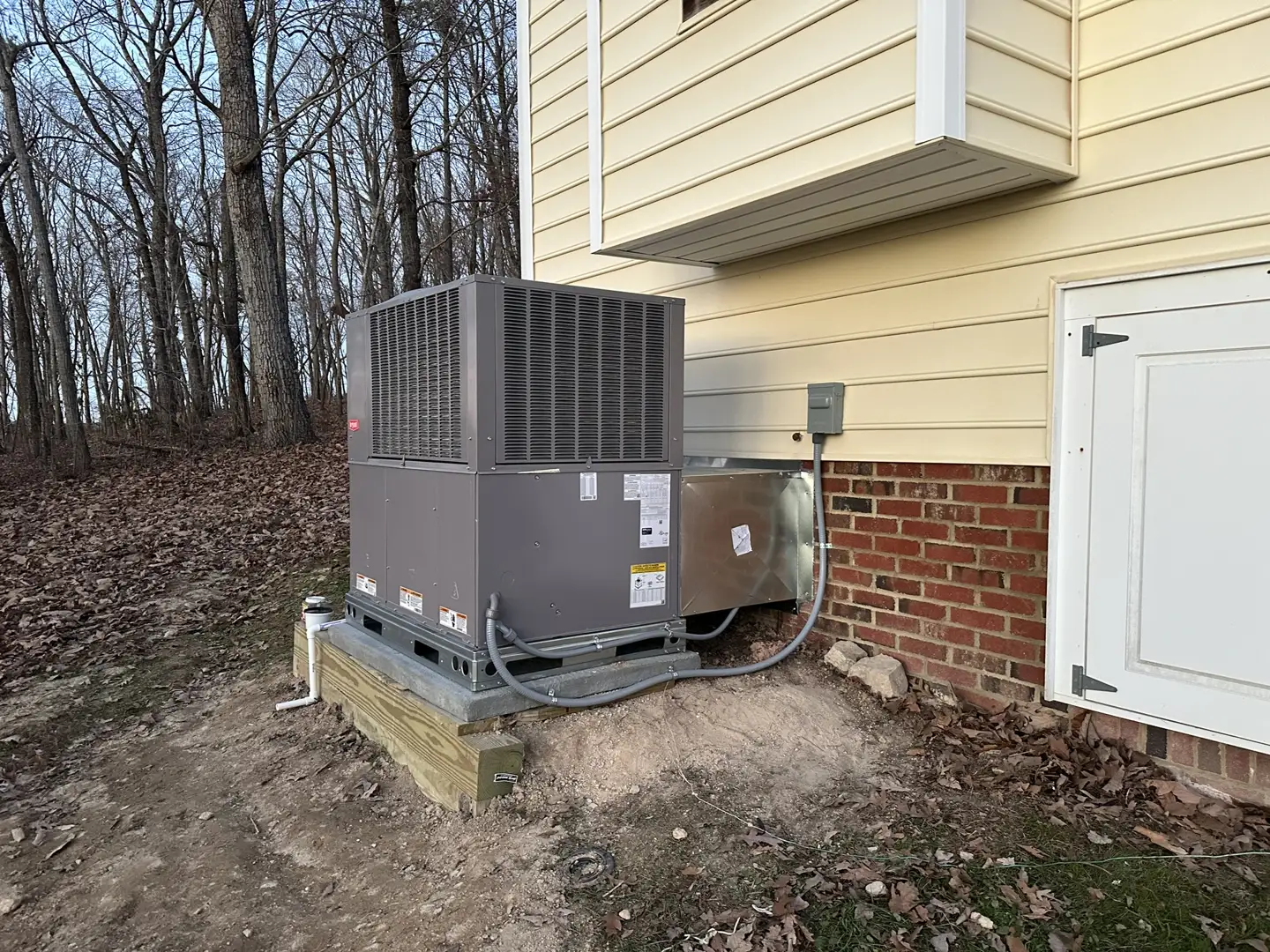
The best HVAC maintenance tips for North Carolina homeowners come down to one core idea: don't wait until something breaks. In a state where summers push past 90°F with suffocating humidity and winters can drop below freezing overnight, your heating and cooling system works harder than in most parts of the country. Skipping routine care doesn't just risk your comfort — it can shorten your system's life by years and lead to breakdowns on the hottest or coldest days of the year.
Here are the most important HVAC maintenance actions NC homeowners should take:
Well-maintained systems use up to 30% less energy than neglected ones, and routine care prevents an estimated 70-80% of HVAC breakdowns. In North Carolina's demanding climate, that's not a small thing — that's the difference between a comfortable home and an expensive emergency call in July.
This guide walks you through everything you need to know to keep your system running reliably, season after season, across every corner of the Tar Heel State.

Quick hvac maintenance tips for north carolina homeowners terms:
When it comes to protecting one of the most significant investments in your home, proactive care is your best defense. Operating an HVAC system in the Triangle area—whether you are located in Durham, Cary, or Chapel Hill—requires a solid understanding of how local weather patterns put continuous stress on mechanical components.
Understanding Why Regular HVAC Maintenance Is Crucial helps you avoid the dreaded "July Rush," a period when local repair technicians are fully booked with emergency calls. Proactive maintenance acts like an oil change for your car. By keeping the coils clean, electrical connections tight, and airflow unobstructed, you ensure the system operates at peak efficiency.
A well-maintained heating and cooling system uses 10% to 30% less energy than a neglected one. Furthermore, housing experts suggest setting aside 1% to 3% of your home's market value annually for general home maintenance and repairs. By prioritizing preventative HVAC care, you can direct those funds toward home improvements rather than emergency system replacements.
North Carolina's climate is notoriously demanding on mechanical equipment. In our service areas like Wake Forest, Creedmoor, and Youngsville, systems must cope with rapid temperature transitions and heavy environmental loads.
Our unique weather patterns affect HVAC systems in several ways:
To keep your system running efficiently despite these regional challenges, refer to our How North Carolina Climate Affects Your HVAC System guide and utilize our comprehensive HVAC Maintenance Checklist for Humid Climates.
While North Carolina spans three distinct geographical zones, our focus is on the Piedmont and Triangle regions, including Oxford, Stem, Butner, and Franklinton. However, understanding how regional environmental factors affect filtration can help you choose the right schedule for your home.
In the Piedmont region, the combination of clay dust, seasonal agricultural pollen, and household pet dander means filters load quickly. During peak pollen season in April and May, filters can become clogged in as little as 30 days. In contrast, coastal properties must combat corrosive salt air, while high-altitude mountain homes often experience rapid filter loading due to fireplace soot or wood-burning stove residue.
To protect your system's compressor and maintain strong indoor airflow, refer to our guide on When to Change Your HVAC Air Filter. We recommend checking your filter monthly and choosing a MERV rating between 8 and 11 for standard residential properties to balance filtration quality with optimal airflow.
To maintain year-round comfort, your maintenance schedule should align with North Carolina's seasonal transitions.
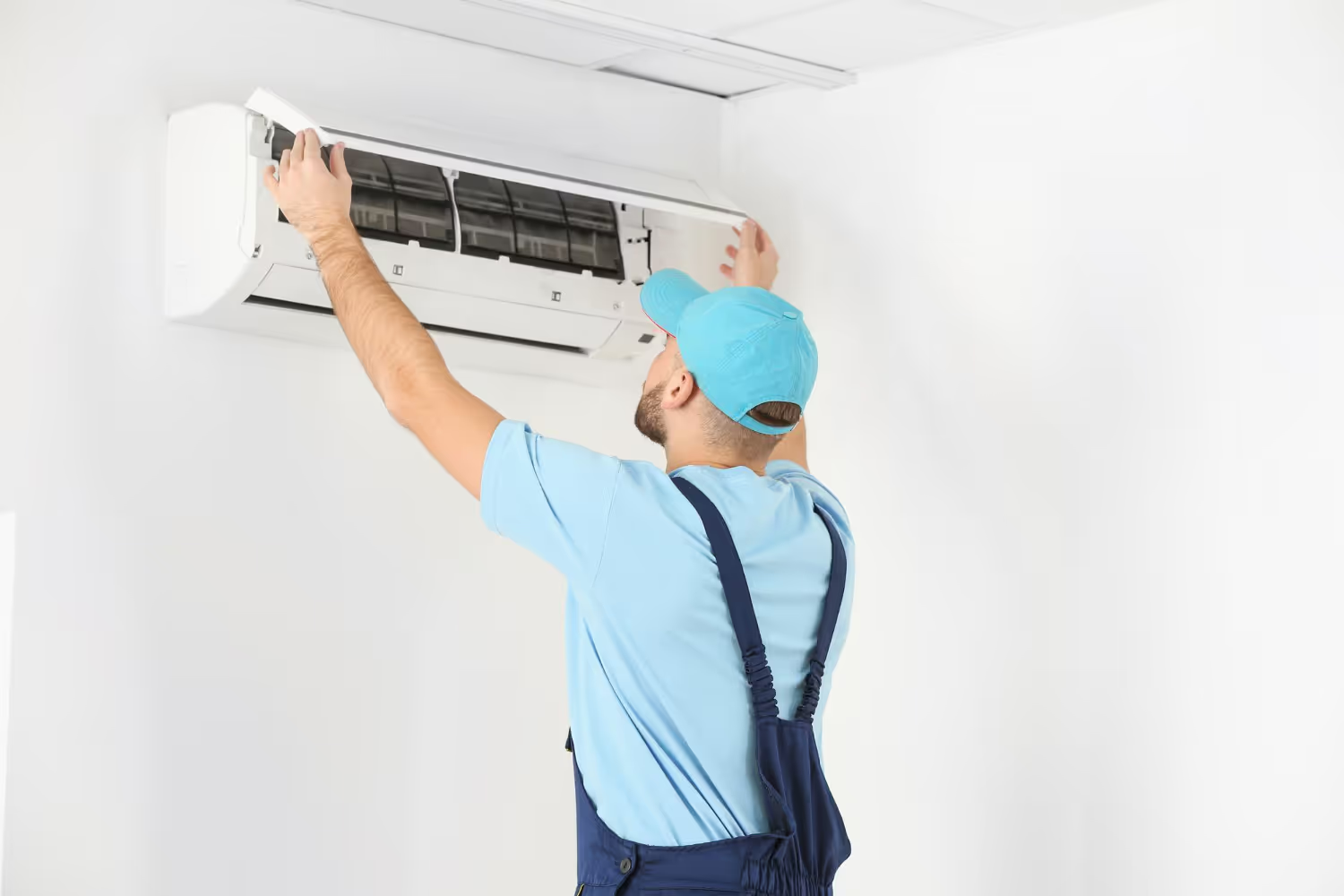
A reliable seasonal schedule includes:
As temperatures rise across Cary, Durham, and Chapel Hill, your cooling system faces its toughest test. To maximize cooling efficiency, homeowners should gently rinse the outdoor condenser coils with a garden hose to remove accumulated pollen and dirt. Never use a pressure washer, as the high pressure can easily bend the delicate aluminum fins.
Additionally, keep all indoor supply vents and return registers open and unobstructed by furniture or rugs. Restricting airflow can cause the evaporator coil to freeze, leading to a system breakdown. For more ways to lower your utility bills during our hottest months, read our Summer Energy Saving Tips for North Carolina Homeowners.
Extreme weather is a reality in North Carolina. Whether preparing for a late-summer tropical storm in the Piedmont or a sudden winter freeze in Wake Forest, proactive steps can prevent costly damage.
Many homeowners enjoy taking a hands-on approach to property maintenance. Knowing which tasks are safe for a DIY approach and which require a licensed professional is essential for your safety and your system's longevity.
Safe DIY Tasks:
Tasks Requiring a Professional:
Attempting complex repairs yourself can put you at risk of electrical shock and may void your manufacturer's warranty.
A professional tune-up goes far beyond a simple visual inspection. When our experienced technicians visit your home in Cary, Wake Forest, or Durham, we conduct a comprehensive system diagnostic.
We test electrical connections, measure refrigerant charge, clean the condensate drain pan, inspect the ductwork for leaks, and calibrate your thermostat. To understand how these visits protect your system, read our guide on How Often Should You Service Your HVAC System. Because heat pumps provide both heating and cooling, they operate year-round and should be professionally serviced twice per year.
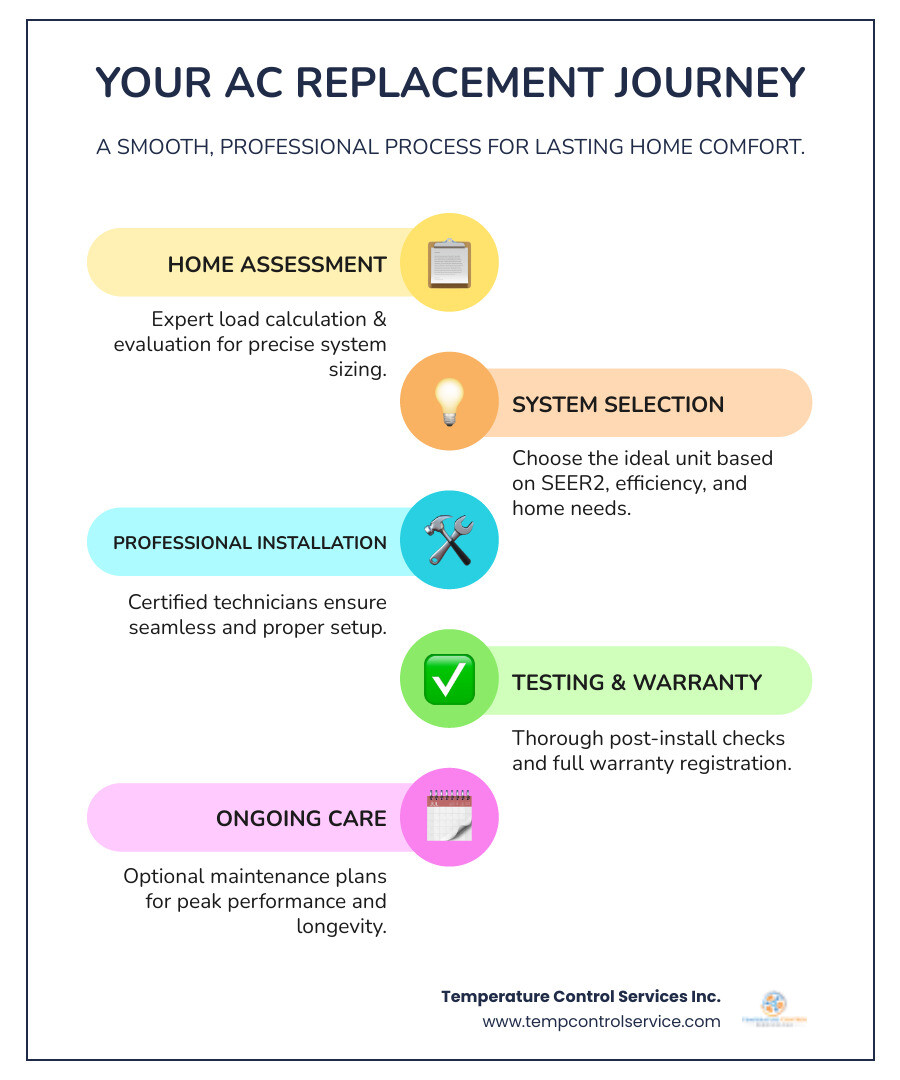
Eventually, every homeowner faces the decision of whether to continue repairing an aging HVAC unit or invest in a replacement. In North Carolina, central air conditioners and heat pumps typically last 12 to 15 years. With regular professional maintenance, some systems can extend their lifespan to 15 to 20 years.
To help make this decision easier, professional HVAC contractors use two standard guidelines:
| Rule Name | Calculation / Definition | Action Recommended |
|---|---|---|
| The $5,000 Rule | Multiply the age of the system by the cost of the repair. | If the total exceeds $5,000, consider replacing the unit. |
| The 50% Rule | Compare the repair cost to the cost of a new system. | If the repair costs more than 50% of a replacement, choose a new unit. |
Your heating and cooling system will usually let you know when it is struggling. Recognizing these warning signs early can help you schedule a repair before a total system breakdown occurs.
Watch for these common warning signs:
If you notice any of these signs, read our guide to Optimize HVAC for Peak Performance and contact a professional to inspect your system.
The easiest way to keep your heating and cooling system running smoothly is to enroll in a preventative service agreement. Regular maintenance helps prevent up to 80% of unexpected breakdowns and keeps your system operating at peak efficiency.
By joining our Maintenance Plan, you receive scheduled bi-annual tune-ups, priority service during peak seasons, and peace of mind knowing your home's comfort is protected. This proactive approach ensures your system remains compliant with manufacturer warranty requirements, saving you time and money over the lifespan of your unit.
In the Triangle area, you should check your air filter every 30 days. If you have pets, family members with allergies, or live in a high-pollen area like Creedmoor or Youngsville, plan to replace it monthly during the peak cooling and heating seasons. For homes without pets, replacing the filter every 60 to 90 days is generally sufficient.
No. Because heat pumps handle both heating and cooling duties, they run almost continuously throughout the year. To maintain efficiency and prevent breakdowns, heat pumps should receive professional maintenance twice per year—once in the spring before the cooling season, and once in the fall before the heating season.
The U.S. Department of Energy recommends setting your thermostat to 78°F when you are at home during the summer. To maximize savings, you can set it a few degrees higher when you are away. Using your ceiling fans in a counterclockwise direction creates a wind-chill effect, making the room feel up to four degrees cooler without lowering the thermostat.
Keeping your home comfortable throughout North Carolina's hot summers and cold winters requires a reliable, well-maintained HVAC system. By following these maintenance tips, changing your filters regularly, and partnering with a trusted professional for seasonal tune-ups, you can protect your investment and enjoy lower energy bills.
Temperature Control Services Inc. is proud to be the premier family-owned HVAC provider in the Triangle area, serving Butner, Cary, Chapel Hill, Creedmoor, Durham, Franklinton, Morrisville, Oxford, Stem, Wake Forest, and Youngsville. When you need dependable comfort and professional service, contact our team to Schedule HVAC Services today.




.svg)