


Recent Blog
Stay updated with our latest blog posts.

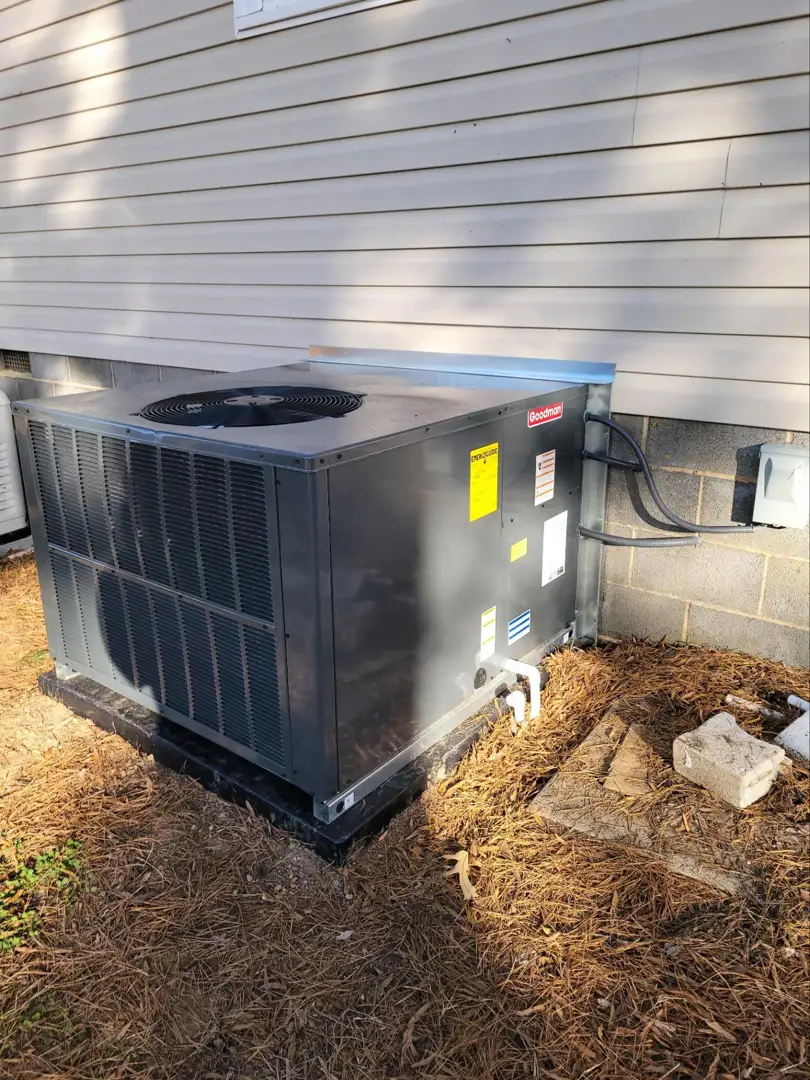
If you're wondering how to extend the life of your AC in North Carolina, here's the short answer:
North Carolina's climate is genuinely tough on air conditioning equipment. Summers in the Triangle — covering cities like Durham, Wake Forest, Chapel Hill, and Creedmoor — regularly push into the 90s with humidity levels that hover between 70% and 80%. That combination forces your AC to run longer, work harder, and wear out faster than in cooler, drier parts of the country.
Most central AC systems are built to last 10 to 15 years. But in North Carolina's humid subtropical climate, many systems start showing serious strain well before that window closes — especially when routine maintenance gets skipped. Research shows that a neglected system can lose up to 5% of its efficiency every single year, which means higher energy bills and a shorter lifespan at the same time.
The good news is that most of the factors that shorten AC life in North Carolina are preventable. The right habits — both DIY and professional — can realistically add three to five years to your system's lifespan while keeping your home comfortable through every season.

To understand how to protect your cooling system, it helps to look at the unique environmental gauntlet it runs every single year. Our beautiful state is famous for its gorgeous springs and mild autumns, but those transitions come with severe seasonal shifts.
The average lifespan of a central air conditioner or heat pump in the Triangle is typically 12 to 17 years when well-maintained. However, without consistent care, that number can easily drop to 10 to 12 years. Why the steep decline? It all comes down to how our local weather forces the system to operate.
First, there is the relentless humidity. During a typical July or August in Cary or Morrisville, the air is thick with moisture. Your air conditioner does not just cool the air; it also acts as a dehumidifier, pulling gallons of water out of your indoor air every day. High humidity levels mean your system has to run much longer cycles to make the home feel comfortable. This constant operation accelerates wear and tear on the compressor and the blower motor.
Second, the transition seasons bring rapid temperature swings. We have all experienced those classic North Carolina weeks where we need the furnace on Monday morning and the air conditioner by Thursday afternoon. These rapid shifts force the system to cycle on and off frequently, putting extra stress on electrical components like capacitors and contactors.
Finally, we cannot talk about North Carolina without mentioning the "yellow snow" of spring. Peak pollen season coats everything in sight with a thick layer of pine and oak dust. This fine powder is drawn directly into your system, clogging filters and insulating the outdoor coils, making it much harder for your system to release heat. To dive deeper into these seasonal mechanics, read our detailed guide on How North Carolina Climate Affects Your HVAC System.
The primary motivation for maximizing AC longevity is protecting a major household investment. Replacing a heating and cooling system is one of the most significant expenses a homeowner will face. With the cooling season in the Triangle expanding to nearly six months of the year, our systems accumulate 30% to 40% more operating hours annually than those in northern states.
Every extra hour of runtime translates directly to wear. When a system is forced to run with dirty coils or a clogged filter, it operates under high internal pressure. This extra strain leads to an incremental loss in efficiency, meaning the system draws more power to deliver the same amount of cooling. Over time, this efficiency loss snowballs, resulting in higher monthly utility bills and premature component failure. By learning how to care for your system, you protect your wallet from both high energy bills and sudden breakdown expenses.
While North Carolina as a whole experiences hot summers, localized geography within the Triangle plays a surprising role in how your system ages. For example, homes in heavily wooded areas of Chapel Hill or Wake Forest deal with a much higher volume of falling leaves, pine needles, and organic debris. This debris easily gets trapped in the outdoor condenser unit, blocking airflow and causing the system to overheat.
In growing areas like Butner and Creedmoor, newer construction homes might face different challenges, such as construction dust clogging system components or systems that were quickly installed without precise calibration. If you live in these northern Triangle communities, check out our localized tips on how to Extend AC Systems Lifespan in Butner to keep your system running smoothly.
Taking control of your air conditioner's health does not require an engineering degree. In fact, some of the most impactful steps to extend your system's life are simple DIY tasks that any homeowner can perform.
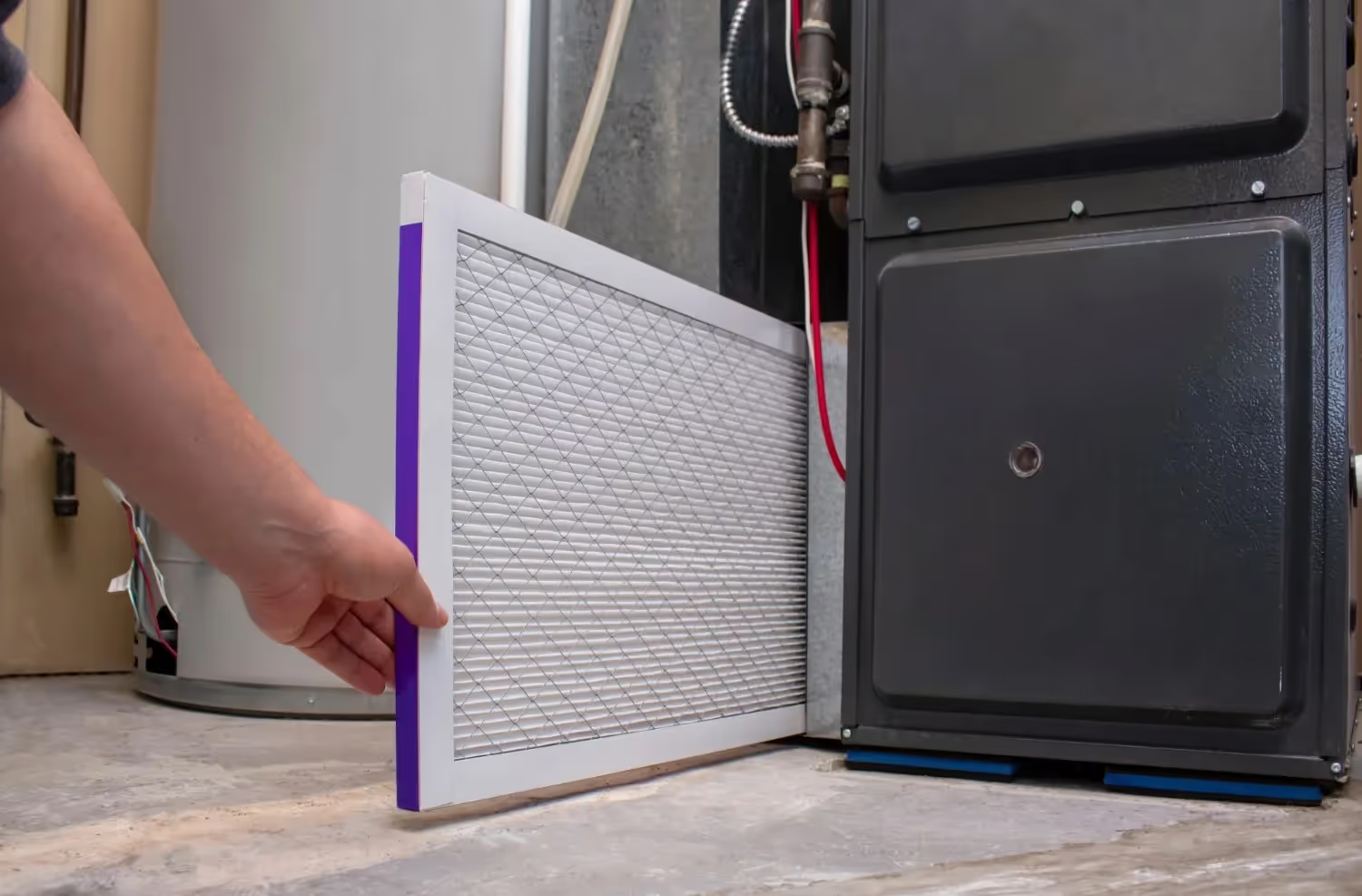
By taking a proactive approach, you keep airflow moving freely, which is the single most important factor in preventing system strain. For a complete look at managing your system in high-moisture environments, refer to our HVAC Maintenance Checklist for Humid Climates.
If your air conditioner had a set of lungs, the air filter would be its windpipe. When the filter is clogged with dust, pet dander, and North Carolina pollen, the system has to work twice as hard to pull air through the return vents. This restricted airflow can cause the indoor evaporator coil to drop below freezing, leading to a layer of ice forming over the coils and a complete system shutdown.
During the peak pollen months of April and May, and the high-use summer months, you should check your filter every 30 days. For standard one-inch filters, a good rule of thumb is to replace them every 1 to 3 months.
When choosing a filter, pay attention to the Minimum Efficiency Reporting Value (MERV) rating:
For a deeper dive into choosing the right filter and setting a schedule, read our guide on When to Change Your HVAC Air Filter.
The outdoor portion of your air conditioner, known as the condenser, has a big job: it takes the heat collected from inside your home and releases it into the outdoor air. To do this efficiently, the metal fins surrounding the unit need constant, unobstructed airflow.
Keep a clear zone of at least 2 feet around the outdoor unit. Trim back any decorative shrubs, vines, or ornamental grasses that might crowd the system. Also, watch out for mulch piled against the base, and regularly clear away fallen leaves, twigs, and pine needles.
At the start of the cooling season, it is highly beneficial to gently rinse the outdoor coils with a garden hose (never use a pressure washer, as it will bend the delicate aluminum fins). This removes the microscopic layer of dirt and pollen that acts as an insulator, allowing your system to dump heat much faster. Learn more about preparing your system for the heat in our guide on Getting Your AC Ready for North Carolina Summer.
How you interact with your thermostat directly impacts how long your compressor survives. The compressor is the heart of your AC, and it experiences the most wear during the first few minutes of starting up.
Avoid the temptation to crank the thermostat down to 65°F when you get home from work on a 95°F day. Your air conditioner cools at the same rate regardless of the setting; setting it lower just forces it to run continuously for hours, building up extreme heat in the motor.
Instead, use a smart or programmable thermostat to manage your temperatures strategically:
For more seasonal setup tips, check out our checklist of Pre-Season AC Maintenance Tasks.
While changing filters and clearing leaves are excellent DIY habits, some elements of your air conditioner require a trained eye and specialized tools. Think of it like owning a car: you can wash it and check the oil yourself, but you still need a mechanic for brake inspections and engine diagnostics.
A professional technician can spot tiny issues before they turn into major, expensive breakdowns. For instance, a weak capacitor is a small electrical part that helps start the motor. If it starts to fail, the compressor has to struggle to turn on, which can quickly burn out the entire compressor motor. A technician can test these electrical components in minutes, saving you from a catastrophic failure during a July heatwave. To learn more about balancing these tasks, read our guide on How to Maintain Your Heating and Cooling System.
When you partner with professional NATE-certified technicians, they perform a comprehensive inspection that goes far beyond basic cleaning. A typical professional tune-up includes:
Regular professional care is so effective that it can add 3 to 5 years of reliable service to your system. Discover the long-term benefits in our article on the Benefits of Regular HVAC Maintenance in the Southeast.
The easiest way to ensure your system gets the care it needs is to enroll in a seasonal maintenance plan. Rather than trying to remember to schedule service every spring and fall, a maintenance plan automates the process.
Our plans at Temperature Control Services Inc. provide peace of mind by scheduling bi-annual visits to prep your system for the upcoming extreme weather. Beyond the longevity benefits, maintenance plan members typically enjoy priority scheduling and discounts on repairs if an issue does arise. Prep your system early by reading our Essential Spring HVAC Maintenance Guide.
Sometimes, the secret to a long-lasting air conditioner starts before the system is even turned on. The quality of the initial installation and the design of your home's ductwork form the absolute foundation of your system's lifespan.
Many homeowners assume that a bigger AC unit is always better. However, an oversized system will quickly cool the air without running long enough to remove moisture. This leads to a home that feels cold and clammy, and the constant starting and stopping (short-cycling) multiplies wear on the compressor.
On the flip side, an undersized system will run continuously all afternoon, unable to reach the target temperature, burning out its motor prematurely. A professional installation must always begin with a precise Manual J load calculation, which takes into account your home's square footage, insulation quality, window placement, and local climate.
Ductwork is also crucial. If your ducts are leaky, crushed, or poorly designed, your AC has to work much harder to push cool air into your living spaces. Sealing and insulating your ducts keeps the cool air where it belongs, drastically reducing the workload on your system. To optimize your home's entire airflow system, read our guide on how to Optimize HVAC for Peak Performance.
Even with the best maintenance, every mechanical system eventually reaches the end of its reliable service life. When faced with a major repair, how do you decide whether to fix the old unit or invest in a new one?
One helpful guideline is the $5,000 Rule. To use it, multiply the age of your system by the estimated cost of the repair. If the result is over $5,000, replacing the system is usually the wiser long-term financial decision. If it is under $5,000, a repair is likely the better choice.
8 years × [minor repair cost] = well under $5,000 -> Repair13 years × [major compressor repair cost] = well over $5,000 -> ReplaceAdditionally, the HVAC industry is undergoing a major transition regarding refrigerants. Older systems run on R-410A, which is being phased out in favor of more environmentally friendly alternatives like R-454B. As R-410A production decreases, the cost of repairing leaks on older systems will continue to rise. If your older system has a major refrigerant leak, upgrading to a modern system is often the most sensible path.
| Indicator | Favor Repair | Favor Replacement |
|---|---|---|
| System Age | Under 10 years old | Over 12–15 years old |
| Refrigerant Type | Modern, readily available refrigerant | Older R-410A or R-22 system with a leak |
| Repair History | First major issue in several years | Frequent service calls in the same season |
| Energy Bills | Consistent with previous years | Rising steadily despite normal weather |
| Airflow & Comfort | Even cooling throughout the home | Hot and cold spots; high indoor humidity |
In the Triangle area, a central air conditioner typically lasts between 12 and 17 years, while heat pumps usually last 12 to 15 years due to running year-round for both heating and cooling. Neglecting annual maintenance can shorten this lifespan to 10 years or less, whereas consistent professional care can push it toward the 20-year mark.
Yes. High humidity forces your air conditioner to run longer cycles to condense moisture out of the air. This increased runtime puts extra wear on the compressor and fan motors. Additionally, constant exposure to high moisture levels can accelerate corrosion on the electrical connections and metal coils if the system is not regularly cleaned and serviced.
The $5,000 rule is a simple calculation: multiply the age of your air conditioning unit by the estimated repair cost. If the total is greater than $5,000, replacing the system is generally recommended. If the total is less than $5,000, repairing the unit is usually the more economical choice, provided the system has been well-maintained and is still running efficiently.
Extending the life of your air conditioner in North Carolina does not have to be a stressful chore. By practicing simple DIY habits — like changing your filters monthly during pollen season, keeping the outdoor unit clear of debris, and managing your thermostat wisely — you can prevent the vast majority of common system failures. Pair those habits with professional seasonal tune-ups, and you will enjoy a cooler home, lower energy bills, and a system that serves you reliably for years to come.
At Temperature Control Services Inc., we are proud to be the Triangle's trusted family-owned heating and cooling partner. Serving communities from Durham and Chapel Hill to Wake Forest, Creedmoor, and beyond, we are here to help you get the absolute most out of your cooling system.
Ready to protect your comfort and maximize your system's lifespan? Schedule professional AC maintenance today with our friendly, NATE-certified team!






.svg)