


Recent Blog
Stay updated with our latest blog posts.

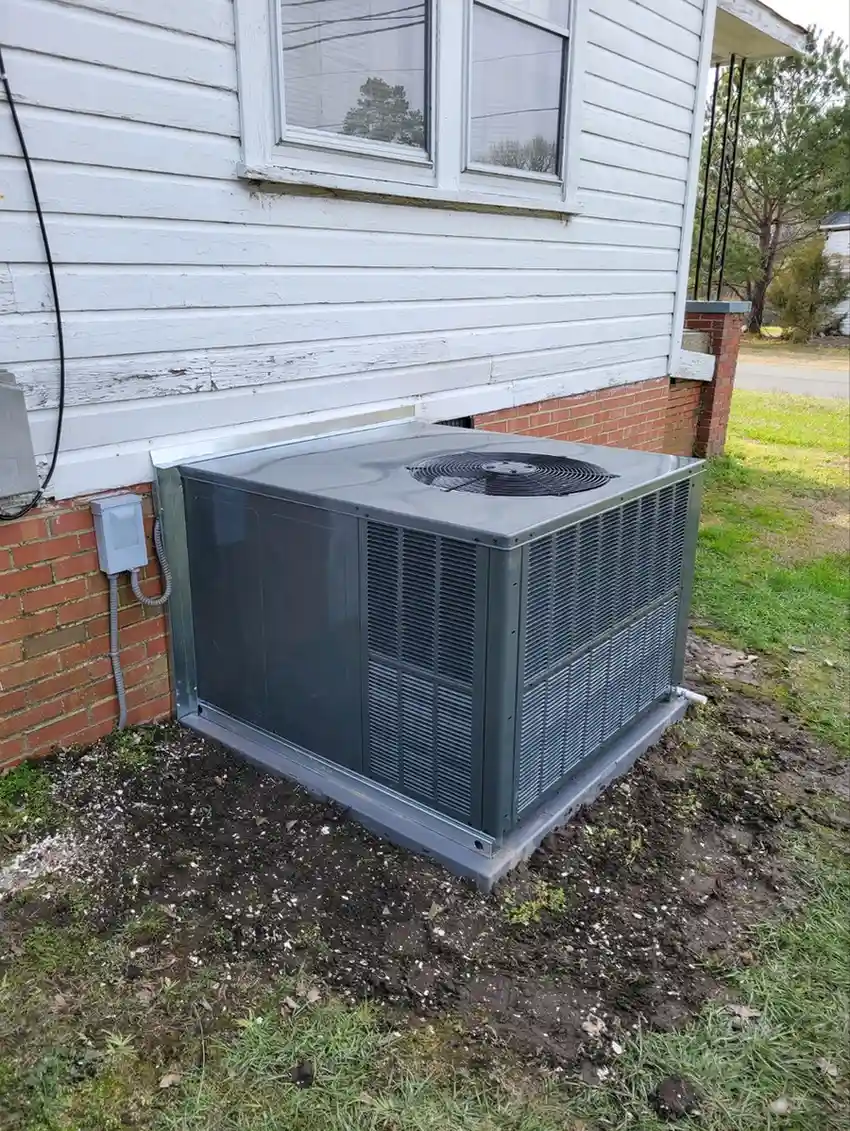
How southeastern humidity shortens hvac lifespan is something most Triangle-area homeowners discover the hard way — when a system that should have lasted 15 to 20 years gives out well before its time.
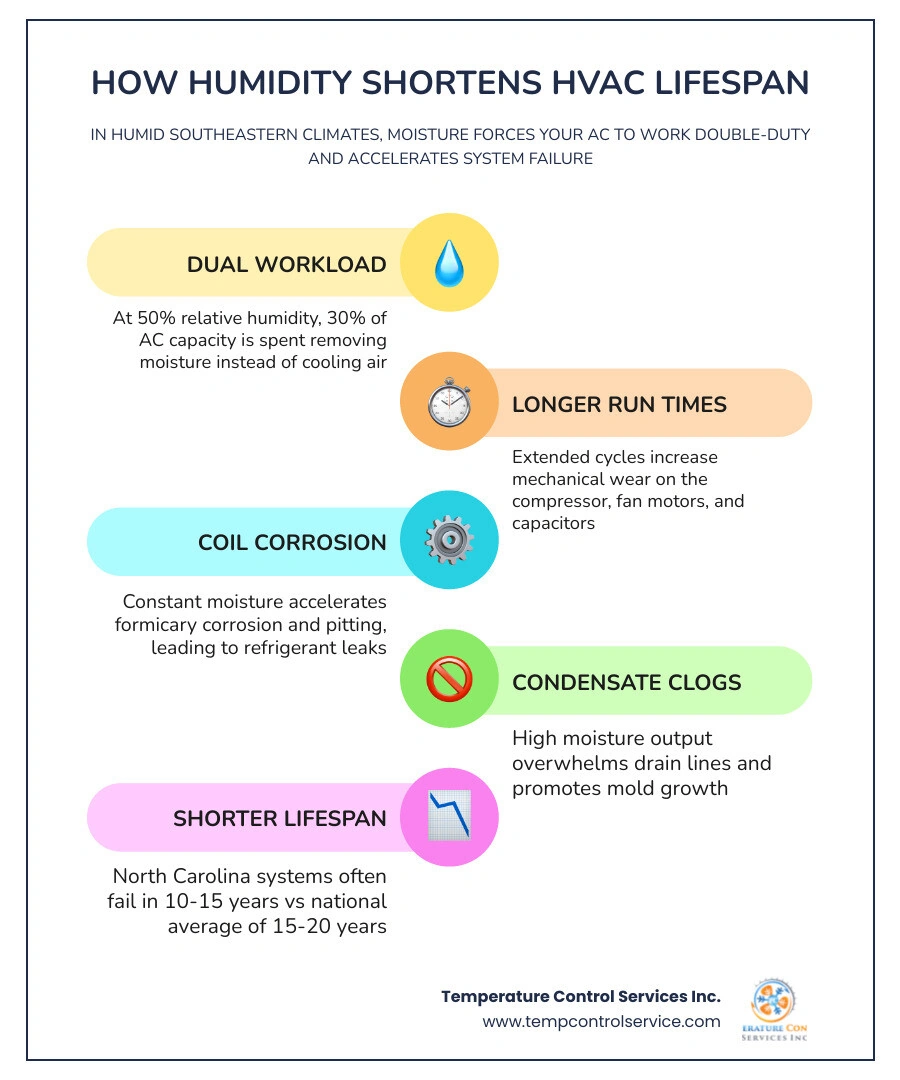
Here is the short answer: high humidity forces your air conditioner to do two jobs at once. It has to cool the air and pull moisture out of it. That double workload means longer run cycles, more strain on the compressor, faster corrosion on coils, and clogged condensate drains. In humid climates like North Carolina, systems routinely fail 5 to 10 years earlier than the national average.
How humidity shortens HVAC lifespan — at a glance:
For a deeper look at how North Carolina's specific climate pattern puts extra pressure on HVAC equipment year-round, see How North Carolina Climate Affects Your HVAC System.
The good news is that the damage is largely preventable. Understanding why humidity causes so much wear is the first step toward protecting your investment and keeping your home comfortable through every sticky Triangle summer.
Easy how southeastern humidity shortens hvac lifespan glossary:
When manufacturers advertise that a central air conditioner will last up to 20 years, they are usually referencing systems operating under ideal, moderate conditions. In regions with mild summers and low humidity, an air conditioner is only needed for a few hundred hours a year.
In the Southeast, however, our cooling season runs from April straight through October. Our systems do not get a vacation. The table below illustrates how the relentless combination of high temperatures and heavy moisture impacts equipment longevity and operating hours across different regions.
| Region / Climate Profile | Average HVAC Lifespan | Annual Compressor Runtime (Hours) | Key Environmental Stressors |
|---|---|---|---|
| National Average / Northern States | 15 to 20 Years | 1,000 to 1,500 Hours | Short summer cooling seasons, low humidity |
| Southeastern US (e.g., North Carolina) | 10 to 15 Years | 1,800 to 2,200 Hours | High summer humidity, rapid temperature swings |
| Deep South / Coastal Areas (e.g., Florida/Gulf Coast) | 8 to 14 Years | 2,500 to 3,500+ Hours | Constant year-round humidity, salt-air corrosion |
As the data shows, a system operating in Cary or Durham logs almost double the runtime of a northern counterpart. Over a decade, this gap translates to thousands of extra operating hours. This is why we refer to the "Southeast HVAC Tax"—the unavoidable wear and tear that robs your system of its youth.
To learn more about what you can realistically expect from your system's timeline in our local area, read our guide on How Long Does an AC System Last in the Southeast.
To understand why humidity is so mechanically taxing, we have to look at the physics of air conditioning. Your AC does not actually "create" cold; it extracts heat from your indoor air and transfers it outside.
This process involves managing two distinct types of heat:
When your indoor humidity levels are high, the air conditioner must work to condense that water vapor into liquid water on the cold evaporator coils before it can successfully lower the air temperature. In a humid climate like ours, an AC operating at 50% relative humidity uses approximately 70% of its BTU capacity for sensible cooling and 30% for dehumidification.
This split capacity means your system has to run much longer cycles to reach your thermostat's target temperature. This extended runtime puts a tremendous burden on your system's critical mechanical components:
For a deeper dive into the relationship between moisture levels and energy consumption, check out our article on How Humidity Affects Your AC Performance.
While mechanical stress wears down the moving parts, chemical and biological processes quietly destroy the static components of your system.
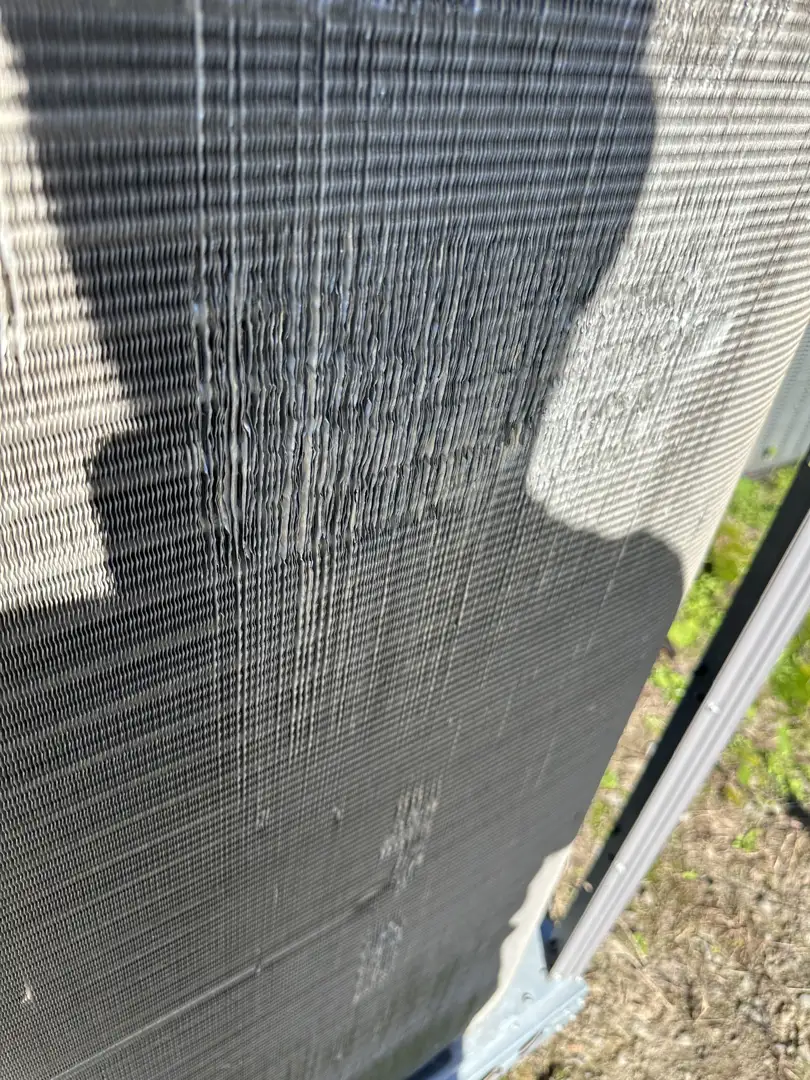
The primary chemical threat is formicary corrosion. This occurs when moisture on copper evaporator coils reacts with common household Volatile Organic Compounds (VOCs)—such as those found in cleaning products, cosmetics, paints, and building materials. This chemical reaction creates a mild acid that eats away at the copper tubing, forming microscopic, pinhole leaks.
Once these leaks develop, refrigerant slowly escapes. A system low on refrigerant must work even harder, freezing the coils and placing extreme stress on the compressor until the entire unit fails.
Simultaneously, the sheer volume of water pulled from your indoor air creates a major drainage challenge. On a humid summer day in Chapel Hill or Wake Forest, an air conditioner can extract several gallons of water daily. This water drains into a condensate pan and flows out through a narrow PVC drain line.
Because this environment is dark, warm, and constantly wet, it becomes a breeding ground for algae, mold, and bacterial slime. Over time, this biological growth forms a thick buildup that clogs the drain line. When the drain backs up, it can overflow, causing severe water damage to your ceilings, walls, and flooring. If your system is equipped with a safety float switch, a clog will shut the system down completely, leaving you without cooling during a heatwave.
If you are experiencing high indoor moisture despite running your system, read about the causes and solutions in High Humidity Inside House Even With AC Running.
While we do not have to worry about coastal salt-air corrosion in inland North Carolina locations like Cary, Durham, or Wake Forest, we do face our own unique set of regional climate stressors.
First, our summers are characterized by intense, lingering humidity spikes, often exacerbated by local lakes and river basins. Second, we experience significant thermal cycling between our hot, muggy summers and chilly winters. This rapid expansion and contraction of metal components stresses copper joints, electrical connections, and plastic housings, making them more susceptible to leaks and cracks over time.
As a homeowner, you should keep a close eye out for these early warning signs that humidity is taking a toll on your system:
Recognizing these symptoms early can save you from a catastrophic system breakdown. Read more about identifying these issues in our guide on Signs Your HVAC System Needs Repair.
If humidity is the fuel that burns out your HVAC system, neglected maintenance is the match. When basic upkeep is ignored, the natural wear caused by humidity accelerates exponentially.
Consider your air filter. In a dry climate, a filter simply collects dry dust. In our humid North Carolina summers, however, the moisture in the air makes dust, pet dander, and pollen sticky. This sticky debris clings to the filter fibers, clogging it much faster than the manufacturer's standard 90-day estimate.
A clogged filter restricts airflow, which prevents warm indoor air from passing over the cold evaporator coils. Without sufficient warm air to balance the temperature, the moisture on the coils quickly freezes, turning your air handler into a solid block of ice. As the ice melts, it overflows the drain pan, leading to water damage and electrical short circuits.
Similarly, dirty outdoor condenser coils cannot shed heat efficiently. When layers of pollen, grass clippings, and dirt coat the outdoor unit, the compressor must run at higher temperatures and pressures to reject heat, compounding the mechanical strain of our humid summers.
To keep your system running efficiently, check out our comprehensive HVAC Maintenance Checklist for Humid Climates.
While we cannot change the North Carolina weather, we can change how our homes handle it. Implementing proactive strategies will take the pressure off your air conditioner, helping it last years longer while lowering your monthly energy bills.
To learn more about how routine professional care saves you money and extends equipment life, read about the Benefits of Regular HVAC Maintenance in the Southeast. For advice on selecting the ideal system configurations for our local climate, explore our guide on the Best HVAC Setup for North Carolina Weather.
Different HVAC systems perform and age differently in high-humidity environments. Choosing the right system type and ensuring proper installation is critical to maximizing equipment lifespan.
One of the most common mistakes made during system installation is oversizing. Many homeowners believe that "bigger is better" when it comes to AC units. However, an oversized system will cool your home too quickly, reaching the temperature setpoint in just a few minutes and shutting off.
Because it runs such short cycles, it never has the chance to pull moisture out of the air. You are left with a home that feels cold, damp, and clammy, prompting you to lower the thermostat even further, which spikes your energy bills and wears out the system's electrical contactors and compressor.
To avoid this, always insist on a professional Manual J load calculation before purchasing a new system. This scientific calculation takes into account your home's square footage, insulation, window placement, and local climate to determine the exact system size you need.
Additionally, pay attention to refrigerant transitions. Older systems using R-410A are being phased out in favor of modern, environmentally friendly refrigerants like R-32 and R-454B. Upgrading to a modern system utilizing these refrigerants ensures your system remains serviceable and efficient for its entire operational life.
When your aging system begins to struggle with the summer humidity, you will eventually face a common dilemma: should you pay for another repair, or is it time to invest in a replacement?
To make an unbiased, financially sound decision, we recommend using the 5,000 Rule.
For example, if you have an 8-year-old system in Cary that needs a $300 repair, your score is 2,400. That is a clear candidate for repair. However, if you have a 12-year-old system in Durham facing a $500 repair, your score is 6,000. In this case, replacing the unit is the more practical long-term choice.
Beyond the 5,000 Rule, consider these additional factors:
For more detailed guidance on making this decision, read our articles on When to Repair vs Replace Your HVAC System and How Old Is Too Old for an HVAC System.
Yes, absolutely. A whole-home dehumidifier removes moisture from your indoor air independently of your air conditioner. By taking over the latent heat load, it allows your AC to focus strictly on cooling the air temperature. This results in shorter run cycles, fewer operating hours, and dramatically reduced wear and tear on your compressor, fan motors, and electrical components, adding years to your system's life.
This common odor is often referred to as "Dirty Sock Syndrome." It occurs when mold, mildew, bacteria, and organic debris accumulate on your damp evaporator coils or inside your condensate drain pan. Because these areas are dark and constantly wet during our humid summers, they provide the perfect breeding ground for microbes. Regular professional coil cleanings and the installation of UV air purifiers can eliminate this issue entirely.
While standard filter packaging often suggests replacing them every 90 days, the reality of a humid North Carolina summer requires a tighter schedule. High moisture levels make dust and airborne particles sticky, causing them to clog filter media much faster. We recommend checking your filter every 30 days between June and September and replacing it within 30 to 45 days to maintain proper airflow and prevent frozen coils.
Southeastern humidity is a relentless opponent, but with the right strategies, equipment, and professional care, you can protect your investment and keep your home comfortable for years to come. Whether you are living in Cary, Durham, Wake Forest, Chapel Hill, or Morrisville, staying proactive with your HVAC maintenance is the key to defeating the "Southeast HVAC Tax."
At Temperature Control Services Inc., we are proud to be the premier family-owned HVAC provider in the Triangle. From routine maintenance and emergency repairs to professional Manual J load calculations and high-efficiency system installations, our team is dedicated to keeping your home comfortable through every season.
Don't let the summer humidity run your system into the ground. Schedule professional HVAC services with Temperature Control Services Inc. today to ensure your cooling system is ready to handle whatever the North Carolina climate throws its way!





.svg)