


Recent Blog
Stay updated with our latest blog posts.

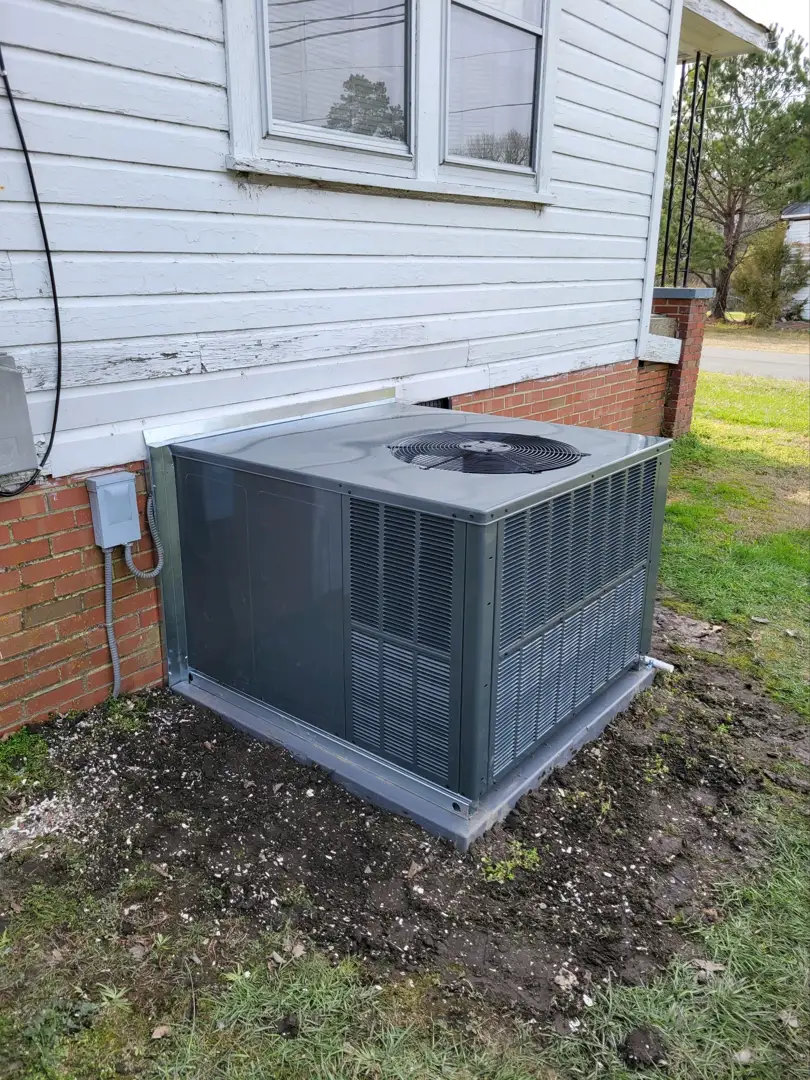
Is an HVAC maintenance plan worth it for most homeowners? The short answer: yes — especially if your system is more than a few years old, you live somewhere with hot summers and cold winters like the Triangle area of North Carolina, or you want to protect your manufacturer's warranty.
Here's a quick breakdown to help you decide:
When an HVAC maintenance plan is worth it:
When it may not be worth it:
Most HVAC repairs fall somewhere between a minor fix and a major component replacement, and a single mid-range repair caught early during a routine visit can cover the cost of an entire year's plan. Beyond the financial math, there's real value in knowing a trusted technician is checking your system before the hottest week of a North Carolina summer — or the coldest night of January.
In this guide, we'll walk through exactly what's included in a typical plan, what's not, how plans compare to paying as you go, and what local homeowners should consider before signing up.
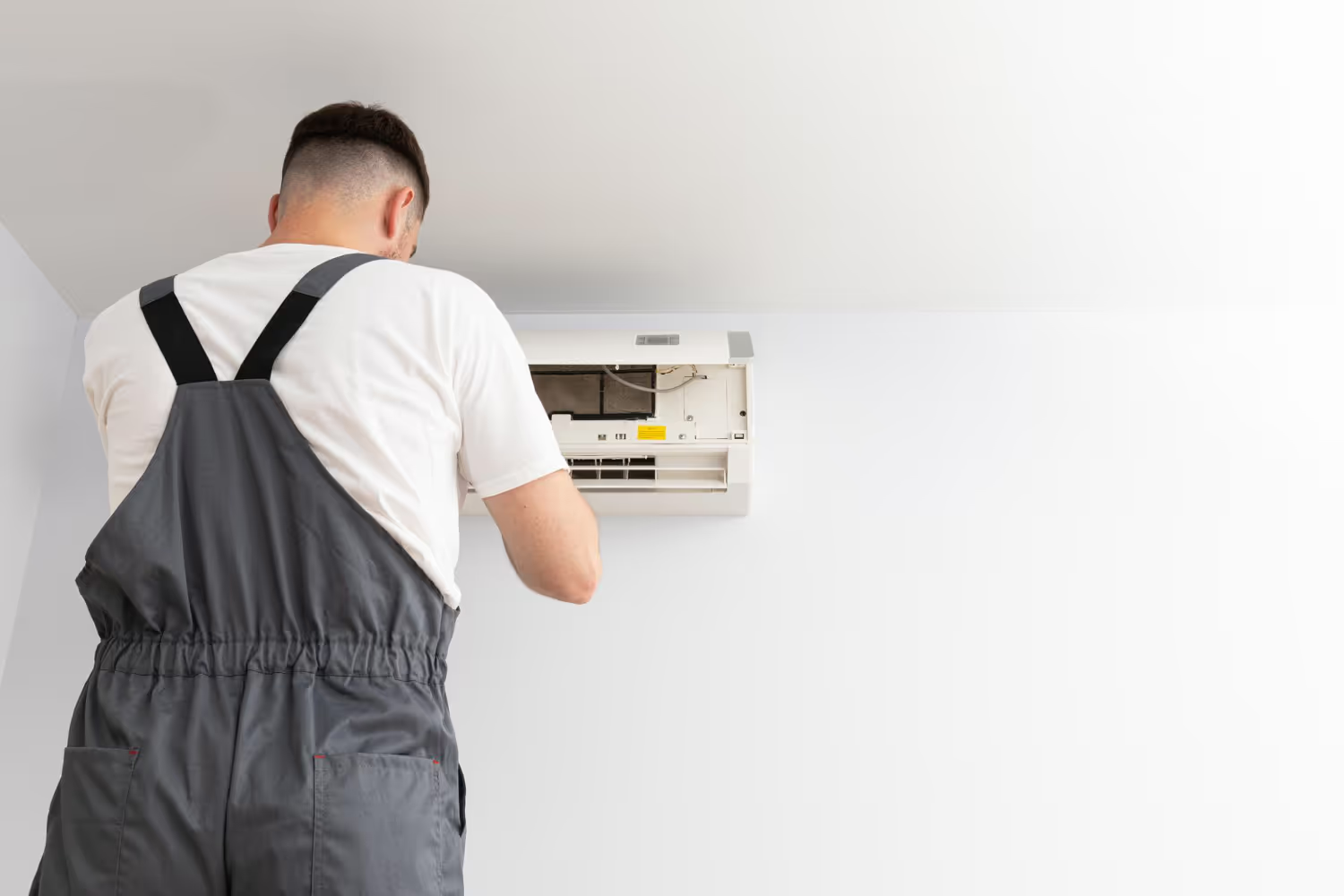
An HVAC maintenance plan—sometimes called a service contract or comfort agreement—is essentially a preventative care package for your home’s heating and cooling systems. Instead of waiting for your air conditioner to fail on a sweltering July afternoon in Cary or your furnace to go cold during a freezing January night in Wake Forest, you partner with a professional team to keep the system running smoothly year-round.
Think of it like an oil change for your car or a preventative dental cleaning. You don't wait for your engine to seize before checking the oil, and you shouldn't wait for your compressor to burn out before cleaning your air conditioner.
When you sign up for a professional agreement, you are securing a scheduled series of multi-point inspections and cleanings. These visits are strategically timed to prepare your system for the upcoming peak seasons. During these tune-ups, a technician will clean, adjust, and test all the vital components of your heating and air conditioning units.
Taking the time to understand the value of these services is the first step in avoiding costly breakdowns. For a deeper look at the fundamental steps required to keep your heating and cooling equipment in top shape, you can read our guide on How to Maintain Your Heating and Cooling System.
A comprehensive maintenance plan goes far beyond a quick visual inspection. When a professional technician arrives at your home in Chapel Hill or Durham, they perform a highly technical, multi-point checkup of both your indoor and outdoor units.
A standard professional agreement typically includes:
To get your home ready for the humid summer months, check out our Essential Spring HVAC Maintenance Guide for a detailed breakdown of spring-specific tasks.
While a maintenance plan provides exceptional preventative care and valuable discounts, it is important to understand what these plans do not cover. A maintenance agreement is not an insurance policy or a comprehensive home warranty.
Typical exclusions include:
When evaluating whether is an hvac maintenance plan worth it, geography plays a massive role. Homeowners in mild climates might get away with neglecting their systems, but North Carolina's climate is famously demanding.
In the Triangle area—including communities like Morrisville, Apex, and Wake Forest—our systems face intense seasonal swings. We experience heavy, humid summers where air conditioners run almost continuously for months, followed by chilly winter periods that put furnaces and heat pumps to the test.
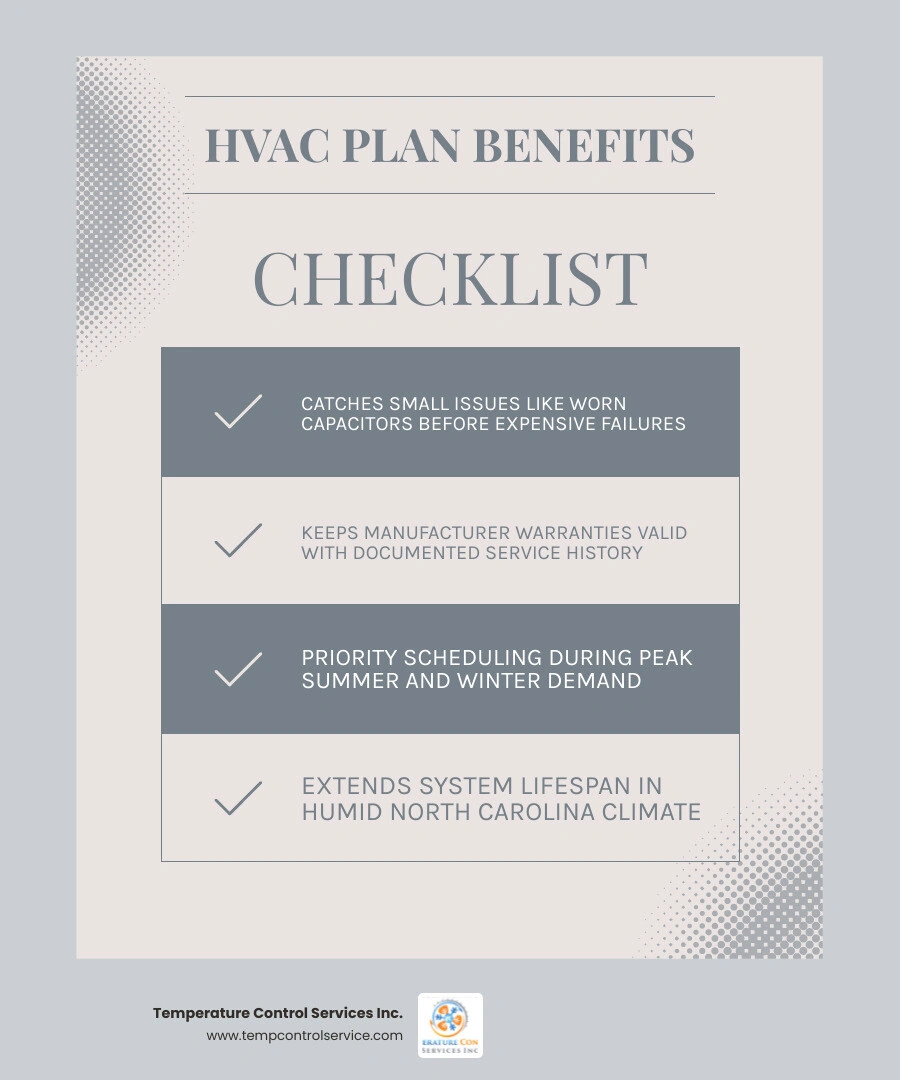
High humidity levels put extra stress on air conditioners. When the air is thick with moisture, your AC has to work twice as hard to dehumidify your indoor air while cooling it. This constant moisture also makes condensate drain lines highly susceptible to rapid algae growth and clogging.
To understand how our regional weather affects your system, you can explore the Benefits of Regular HVAC Maintenance in the Southeast. Additionally, our HVAC Maintenance Checklist for Humid Climates highlights the specific steps needed to combat humidity-related wear and tear.
If you recently invested in a brand-new heating and cooling system for your home in Creedmoor or Youngsville, you might assume you don't need a maintenance plan. After all, the equipment is pristine and running perfectly.
However, a maintenance plan is actually one of the most critical investments you can make for a new system due to manufacturer warranty validation.
Almost every major HVAC manufacturer requires documented, annual professional maintenance to keep their parts warranty valid. If a major component like a compressor fails three years down the road, the manufacturer will likely ask for service records proving the system was professionally maintained. If you cannot provide those records, they can—and often do—deny your warranty claim, leaving you with a massive bill.
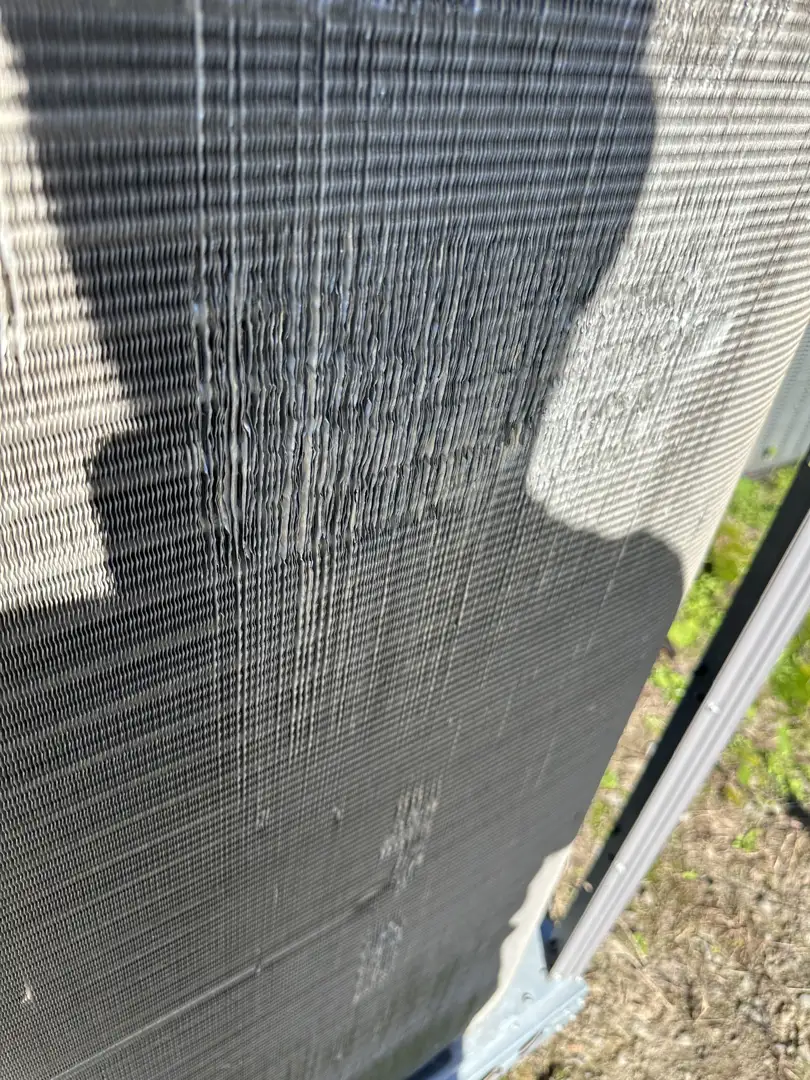
Beyond protecting your warranty, regular maintenance prevents early wear and tear. Dust and debris begin accumulating on coils and filters from day one. This buildup forces a brand-new, high-efficiency system to run longer and harder, slowly degrading its efficiency and shortening its overall lifespan. For a complete look at why keeping your new system clean is so vital, read about Why Regular HVAC Maintenance is Crucial.
For homeowners with systems that are seven, ten, or even fifteen years old in places like Franklinton or Oxford, the perspective shifts from warranty protection to predictive tracking and loss prevention.
Older systems are naturally more prone to component failures. During seasonal maintenance visits, technicians pay close attention to wear indicators. By monitoring the electrical amp draw on your blower motor and compressor over time, we can predict when a motor is beginning to fail.
Testing the health of your capacitors is another classic example of predictive care. A weak capacitor can cause your compressor or outdoor fan motor to overheat and burn out on a hot day. Replacing a failing capacitor during a routine spring visit is a quick, simple fix that prevents a highly expensive emergency breakdown.
If you are trying to decide whether to keep nursing an aging unit along or finally invest in an upgrade, our guide on When to Repair vs Replace Your HVAC System can help you weigh your options.
When deciding how to manage your home's comfort, you generally have three routes: enrolling in a professional maintenance plan, paying for individual service visits as you go, or attempting a purely DIY approach.
While DIY upkeep is excellent for basic tasks, it cannot replace the specialized tools and safety checks of a certified professional. On the other hand, paying for individual visits as you go often ends up costing more over time because you miss out on member-only perks like waived diagnostic fees, discounts on repairs, and priority scheduling.
Priority scheduling is a lifesaver during peak seasons. When temperatures skyrocket in Durham or drop in Butner, HVAC companies are flooded with emergency calls. If your system breaks down and you do not have a plan, you could wait days for an open appointment. Maintenance plan members bypass the queue with guaranteed priority service.
To see a detailed breakdown of how these approaches compare financially and operationally, read our HVAC Membership Plan vs Pay Per Visit Comparison. To make sure you aren't accidentally harming your system during your own upkeep, review the HVAC Maintenance Mistakes Homeowners Make.
Here is a quick comparison of what each approach covers:
| Feature / Task | Professional Maintenance Plan | Pay-As-You-Go (A La Carte) | DIY (Homeowner) |
|---|---|---|---|
| Filter Replacements | Yes (during scheduled visits) | Yes (must request & pay extra) | Yes (highly recommended) |
| Priority Scheduling | Yes (guaranteed fast response) | No (standard queue) | N/A |
| Repair Discounts | Yes (typically 10% to 20% off) | No | N/A |
| Electrical Safety Tests | Yes (amp draw, capacitor testing) | Only if paid as diagnostic | No (dangerous to attempt) |
| Refrigerant Pressure Checks | Yes | Only if paid as diagnostic | No (requires EPA license) |
| Drain Line Flushing | Yes | Only if paid as diagnostic | Yes (limited basic clearing) |
| Warranty Compliance | Yes (provides full documentation) | Yes (if you remember to schedule) | No (not accepted by brands) |
For the vast majority of homes in North Carolina, your HVAC system should be professionally serviced twice a year.
The ideal schedule is a spring cooling tune-up (typically in March or April) to prepare your air conditioner for the summer heat, and a fall heating tune-up (typically in September or October) to ensure your furnace or heat pump is ready for winter.
This bi-annual schedule ensures that your system is clean and safe to operate before you turn it on for the season. If you have a system that handles both heating and cooling (like a heat pump), servicing it twice a year is even more critical because it runs almost year-round. For more details on timing, read How Often Should You Service Your HVAC System.
Yes, there are several basic maintenance tasks that homeowners should perform regularly to keep their systems running efficiently:
However, internal diagnostics—such as testing electrical components, handling refrigerant, checking gas connections, and inspecting heat exchangers for cracks—must be left to certified professionals. Attempting these tasks yourself can void your warranty, damage your system, or put your safety at risk.
In many cases, yes. Most major HVAC brands explicitly state in their warranty terms that the system must be serviced annually by a licensed professional.
If a major part fails and you attempt to claim a warranty replacement, the manufacturer can request documented proof of regular maintenance. Skipping professional service means you risk losing your parts coverage, which can turn a covered repair into a major out-of-pocket expense. Keeping a maintenance plan is the easiest way to ensure you always have a complete, professional service history on file.
When you look at the big picture, an HVAC maintenance plan is not just another monthly subscription—it is a strategic investment in your home’s safety, efficiency, and long-term comfort. For homeowners living across the Triangle area, our humid summers and cold winters demand a lot from our heating and cooling systems. Partnering with a trusted team to keep your equipment in peak condition is the smartest way to protect your budget from unexpected emergency repairs.
At Temperature Control Services Inc., we are proud to be the #1 family-owned HVAC provider serving Butner, Cary, Chapel Hill, Creedmoor, Durham, Franklinton, Morrisville, Oxford, Stem, Wake Forest, and Youngsville. We design our maintenance plans to provide local families with total peace of mind, reliable comfort, and real financial value.
Ready to protect your home's most important system and enjoy priority service when you need it most? Explore our comprehensive Maintenance Plan options, or visit our Maintenance Program Page to sign up today.




.svg)