


Recent Blog
Stay updated with our latest blog posts.

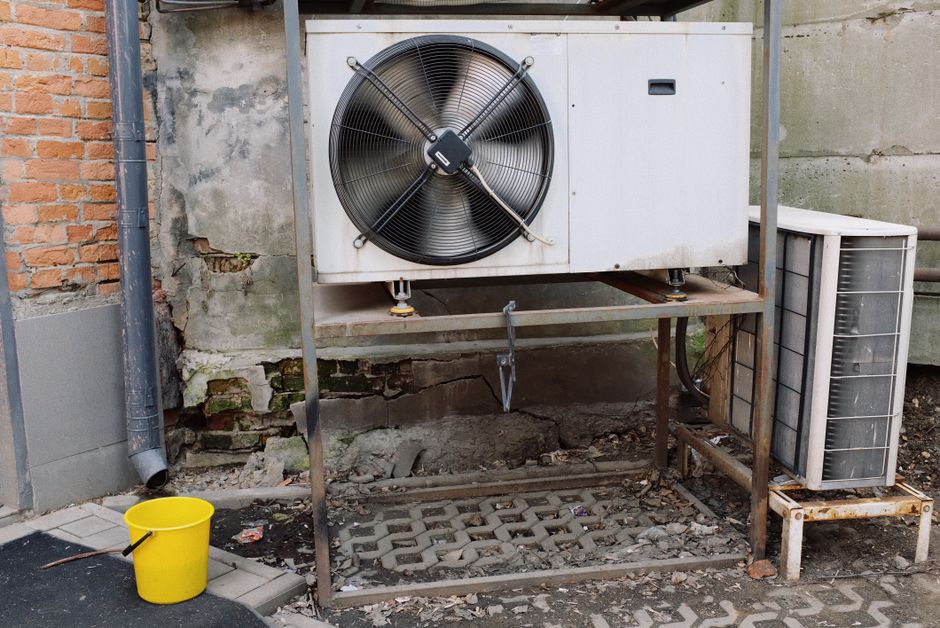
What happens if you skip HVAC maintenance is something most homeowners in the Durham, NC and Cary, NC area only think about after their system stops working — usually on the hottest day in August or the coldest night in January. By that point, what started as a small, preventable issue has often grown into an expensive emergency.
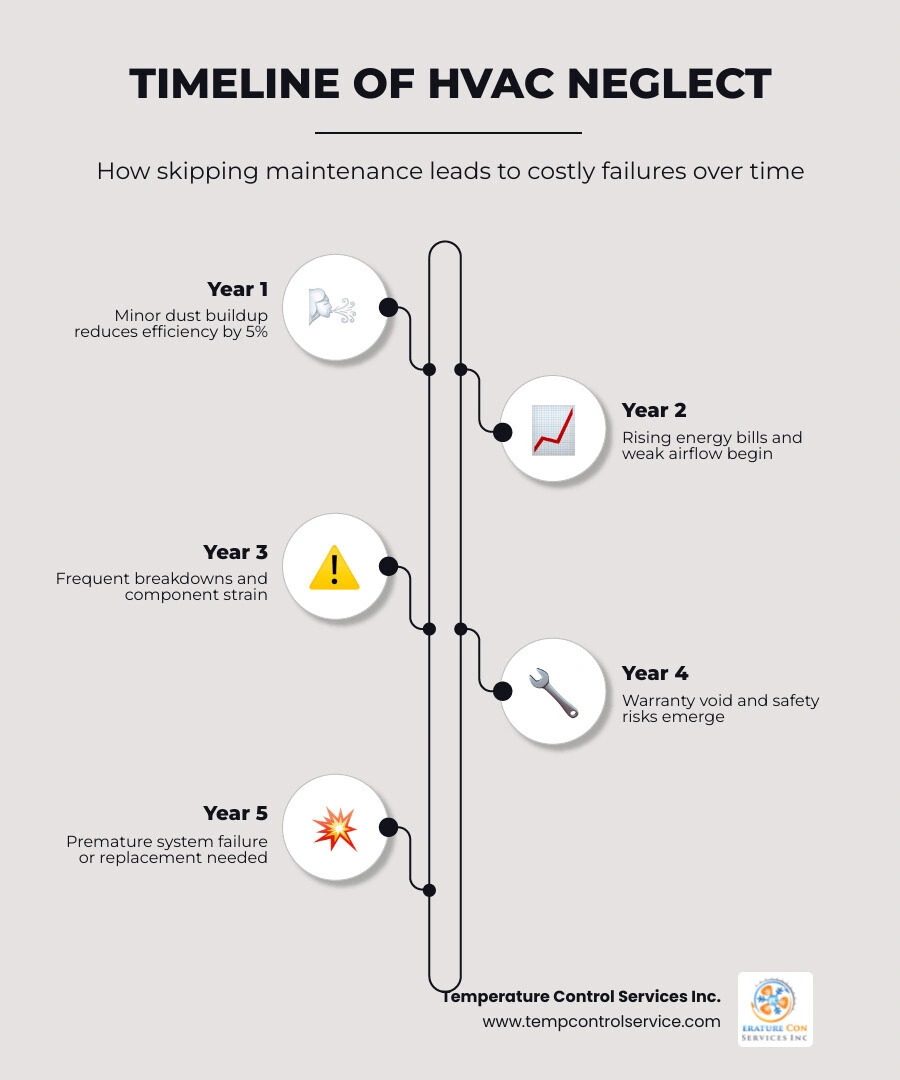
Here is a quick summary of what you risk when maintenance gets skipped:
The reality is that HVAC systems do not fail overnight. They decline slowly and quietly — a little less efficient each month, a little more strain on each component — until one day they stop entirely. For homeowners across the Triangle area, where North Carolina summers are brutally humid and winters can bring sharp cold snaps, that slow decline carries real consequences.
Quick what happens if you skip hvac maintenance terms:
When life gets busy in towns like Wake Forest and Morrisville, it is incredibly easy to push home comfort tasks to the bottom of your to-do list. After all, if the air is blowing out of the vents and the house feels reasonably comfortable, it seems like everything is fine. However, behind the scenes, a quiet decline is already taking place.
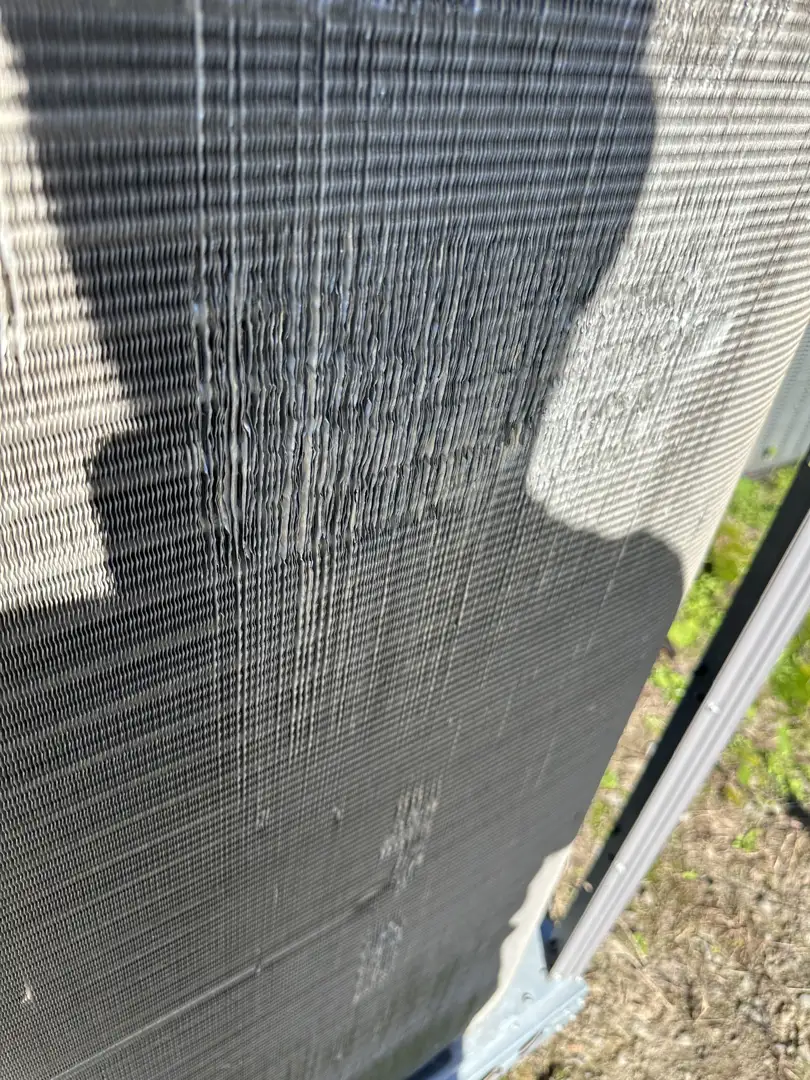
The moment you miss a scheduled tune-up, your system begins working against friction, dirt, and wear. A major culprit in this early stage of neglect is simple airflow restriction. Over weeks and months, dust, pet dander, and pollen accumulate on your system's air filter and internal coils. This buildup acts like a thick blanket, forcing your blower motor to work twice as hard to push air through your home.
This extra effort directly drains your system's energy efficiency. When components are coated in dust, heat transfer is severely compromised. In the summer, your air conditioner struggles to release heat outside; in the winter, your furnace or heat pump cannot warm the air efficiently. This means your system must run for longer cycles just to satisfy the thermostat, which leads directly to higher utility bills. Understanding Why Regular HVAC Maintenance is Crucial is the first step in protecting both your wallet and your indoor comfort.
Have you ever noticed that one bedroom in your home feels like a sauna while the living room is freezing? This kind of uneven temperature distribution is a classic symptom of a neglected system. When airflow is restricted by dirty filters, clogged blowers, or neglected ductwork, the system cannot distribute conditioned air evenly throughout your house.
In our humid North Carolina climate, weak airflow does more than just make you feel warm—it completely ruins your home's humidity control. Your air conditioner relies on steady, unrestricted airflow across the evaporator coil to pull moisture out of the air. If the airflow is weak, the system cannot dehumidify your home effectively. This leaves you with that sticky, heavy feeling indoors, even when the AC is running. To combat these local climate challenges, keeping up with a specialized HVAC Maintenance Checklist for Humid Climates is absolutely essential.
The financial impact of skipping a tune-up shows up long before your system actually breaks down. Industry data shows that a neglected HVAC system can lose roughly 5% of its operating efficiency for every single year it goes without professional service.
As your system works longer and harder, your monthly power bills begin to creep upward. Many homeowners do not notice a 10% increase at first, but over a long summer in Chapel Hill or a chilly winter in Creedmoor, those monthly increases add up to a significant amount of wasted money. In fact, skipping a tune-up often costs more in monthly utility increases than the service itself. If you want to keep your utility costs under control, it helps to understand the unique Benefits of Regular HVAC Maintenance in the Southeast, where our long, hot summers demand peak efficiency from our cooling systems.
While higher utility bills are frustrating, the long-term mechanical damage caused by neglect is far worse. Think of your heating and cooling system like a vehicle: if you never change the oil, the engine will eventually seize. In an HVAC system, skipping maintenance triggers a dangerous domino effect where one small, unaddressed issue leads to the catastrophic failure of expensive parts.
When a system is dirty, every moving part experiences increased mechanical wear. For example, a clogged filter forces the blower motor to run hot, which degrades the motor's electrical insulation. At the same time, dirty coils force the compressor to operate at much higher temperatures and pressures than it was designed to handle. This constant, excessive strain dramatically shortens your system's overall lifespan, leading to premature failure. If you find yourself facing frequent breakdowns, you may need to evaluate When to Repair vs Replace Your HVAC System to determine if a neglected unit is still worth saving.
An HVAC system is a major investment for any home in Butner or Youngsville. With proper professional care, a high-quality system can easily last 15 to 20 years. However, when you skip regular tune-ups, that life expectancy can easily be cut in half, forcing an expensive replacement in as little as 8 to 10 years.
The compressor is the heart of your air conditioner or heat pump, and it is also one of the most expensive parts to replace. When dirty coils block heat transfer, the compressor has to work under extreme thermal stress, which eventually causes it to burn out. In a gas furnace, neglect can lead to rapid temperature swings that cause the metal heat exchanger to expand and contract excessively, eventually leading to cracks. By investing in regular preventive care, you can avoid these catastrophic failures. For a complete look at how to protect your equipment, consult our Ultimate HVAC Maintenance Guide 2026.
Many homeowners do not realize that their HVAC system's manufacturer warranty is a two-way street. When you purchase a new system, it usually comes with a 5-to-10-year warranty on parts. However, nearly all major manufacturers explicitly state in their terms that the warranty is only valid if the system receives regular, documented professional maintenance.
If your compressor or heat exchanger fails in year six, the manufacturer will likely ask for proof of professional service before they cover the replacement part. If you cannot provide those maintenance records, your claim will be denied, leaving you to pay the entire bill out of pocket. Skipping professional care to save a quick buck is one of the most common HVAC Maintenance Mistakes Homeowners Make, and it can cost you thousands of dollars in voided coverage.
Beyond the financial and mechanical risks, neglecting your heating and cooling system poses genuine safety hazards to your household.
To keep your home safe and your energy bills low, it helps to understand the stark differences between a system that receives regular professional attention and one that is left to struggle on its own.
| Feature / Impact | Well-Maintained HVAC System | Neglected HVAC System |
|---|---|---|
| Expected Lifespan | 15 to 20 years | 8 to 10 years |
| Average Energy Bills | Baseline (optimized efficiency) | 10% to 25% higher |
| Emergency Breakdown Risk | Very low (prevented by up to 80%) | Extremely high (especially during peak seasons) |
| Indoor Air Quality | Clean, filtered, and dehumidified | Dusty, high allergen levels, risk of mold |
| Manufacturer Warranty | Fully protected with service records | Voided due to lack of professional care |
| Safety Status | Inspected for CO leaks and fire hazards | Unmonitored risks (cracked heat exchangers) |
To maintain peak performance, your HVAC system should be professionally serviced twice a year—once in the spring for your cooling system, and once in the fall for your heating system. If you use a heat pump, which handles both heating and cooling duties year-round in areas like Durham and Oxford, this biannual schedule is even more critical. To learn more about setting up the ideal schedule for your home, read our guide on How Often Should You Service Your HVAC System.
Scheduling your professional service before the extreme weather hits is key. Spring tune-ups ensure your air conditioner can handle the first brutal 90-degree day in June, while fall maintenance ensures your furnace or heat pump is ready for freezing winter nights.
While professional service is irreplaceable, there are several simple DIY tasks you can handle to keep your system running smoothly between visits:
For a step-by-step breakdown of how to handle these basic tasks, check out our guide on How to Maintain Your Heating and Cooling System, and prepare your home for the warmer months with our Essential Spring HVAC Maintenance Guide.
Yes, absolutely. HVAC systems are designed to keep running even when internal components are starting to fail. By the time you actually notice a problem—like a strange noise, weak airflow, or a sudden spike in your utility bill—the system has likely been struggling and sustaining internal wear for months. Regular maintenance catches "silent" issues like a failing capacitor, a minor refrigerant leak, or a dirty flame sensor before they cause a complete system shutdown.
While your system might not completely break down after missing a single tune-up, skipping maintenance for even one year causes immediate efficiency loss and accelerates wear on critical components. Dust buildup on the coils acts as an insulator, forcing the compressor to run hotter and longer, which permanently shortens its operating life. Additionally, small issues like a slightly loose electrical connection or a partially clogged drain line can easily turn into a major water leak or an electrical short if left unaddressed for a full year.
If your system has been neglected, it will usually drop hints before it fails completely. Keep an eye out for these common Signs Your HVAC System Needs Repair:
At the end of the day, what happens if you skip hvac maintenance is a predictable path toward higher bills, uncomfortable days, and expensive, stressful emergency repairs. Your heating and cooling system is one of the hardest-working and most expensive appliances in your home. Treating it with the care it deserves is the best way to protect your comfort, your safety, and your household budget.
At Temperature Control Services Inc., we are proud to be the #1 family-owned HVAC provider in the Triangle. We serve homeowners across Cary, NC, Durham, NC, Chapel Hill, NC, Wake Forest, NC, and the surrounding communities with reliable, professional service. Our team is dedicated to keeping your home perfectly comfortable all year long, no matter what the North Carolina weather brings.
Do not wait for your system to stop working on a sweltering summer afternoon or a freezing winter night. Protect your home with a comprehensive maintenance plan from Temperature Control Services Inc. today, and enjoy the peace of mind that comes with professional, worry-free comfort!




.svg)